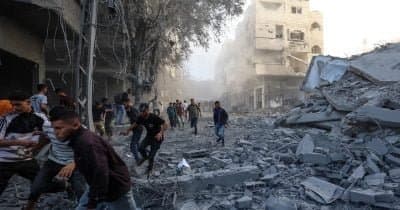
The recent Israeli airstrikes in Gaza, which resulted in the tragic death of six people, including a child, underscore the precarious nature of the current ceasefire between Israel and Hamas. This incident, occurring despite a ceasefire officially established in October 2025, raises critical questions about the sustainability of peace in the region. Reports indicate that over 800 Palestinians have died since the ceasefire was enacted, illustrating the ongoing violence that continues to plague this conflict.
These developments are significant not only on a humanitarian level but also in terms of geopolitical and market implications. The renewed military action suggests an escalation in the Israel-Hamas conflict, which could influence broader regional stability. Market analysts are already pricing in increased concerns regarding Israel's military engagements, not just in Gaza but potentially in neighboring territories as well. The fear of further military action could lead to volatility in financial markets, particularly for investors holding assets sensitive to geopolitical risks.
Furthermore, the reactions from Israeli leadership, including Prime Minister Benjamin Netanyahu and Defense Minister Israel Katz, will be crucial to watch. Their statements and any indications of future military operations could sway market perceptions of Israel’s commitment to the ceasefire and its broader military strategy in the region. As tensions mount, any announcements of strikes beyond Gaza may further complicate the security landscape, creating ripple effects in regional economic forecasts.
In light of these events, it is essential for observers and investors to remain vigilant, monitoring developments closely. The potential for further escalations remains high, and the death toll from ongoing military activity could lead to increased pressure on international diplomatic efforts to restore peace. The complexity of the situation demands a nuanced understanding of both the humanitarian implications and the potential economic consequences for the region.
This material is for informational purposes only and should not be considered financial advice.