The geopolitical landscape is becoming increasingly volatile as the son of a deceased commander of Iran's Islamic Revolutionary Guard Corps (IRGC) has publicly threatened retaliation, specifically targeting locations like San Francisco and the Gulf of Mexico. This alarming statement follows the assassination of Commander Alireza Tangsiri in April 2025 during a confrontation in Bandar Abbas, showcasing the ongoing tensions between Iran, the U.S., and Israel.
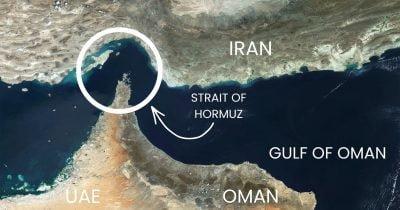
This vow of retaliation serves as a significant indicator of Iran's deteriorating relations with the West and implies a heightened risk to international shipping routes. The IRGC's continuous threat to maritime security could severely disrupt trade in vital shipping lanes, raising concerns about the safety of vessels operating in these waters. As reports of increased Iranian military activity surface, market analysts are noting a sharp rise in the probability of Iranian actions against shipping, with current estimates at an alarming 89.6% as of July 12.
Observers are now keenly watching for any concrete actions stemming from these threats, particularly in strategic areas such as the Gulf of Mexico. The U.S. Department of Defense's potential responses, combined with diplomatic efforts, could play a crucial role in shaping market perceptions and trading strategies. Any aggressive maneuvers or communications from the IRGC could further influence not only shipping security but also impact energy markets, as highlighted by previous instances where Iranian actions have precipitated significant shifts in oil prices.
Moreover, this situation exemplifies the fragile state of international diplomatic agreements like the Islamabad Memorandum ceasefire, which has already seen multiple violations from both sides. As tensions escalate, it will be important for investors and market participants to remain vigilant about developing situations in the region, particularly those concerning Iran's military strategies and their implications for global trade.
This article is informational and should not be taken as financial advice.