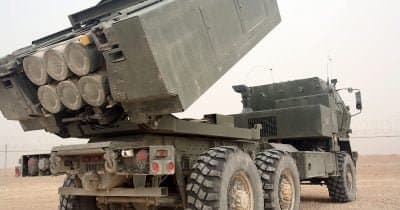
Iran has recently claimed it conducted a drone strike targeting U.S. HIMARS artillery systems stationed in Kuwait, asserting that this operation led to the deaths of three U.S. officers while injuring others. This assertion emerges in the context of a precarious ceasefire linked to the ongoing conflict that began in early 2026 following coordinated military actions by the U.S. and Israel.
The U.S. Central Command has not confirmed Iran's claims, continuing to assert that no U.S. personnel were harmed in any recent attacks. This disconnect between claims and U.S. military confirmation highlights the complex dynamics at play and raises questions about the accuracy of intelligence reported on the ground.
Implications for Ceasefire and Military Dynamics
Should Iran's claims of successful drone strikes be validated, it represents a significant escalation in military hostilities, potentially jeopardizing the already fragile ceasefire. The prospect of renewed conflict could affect not just military strategies but also economic stability in the region. Recent market analysis reflects heightened tensions, with a 58.5% likelihood of Iranian military actions against Gulf states anticipated on July 13.
Historically, drone strikes have served as pivotal tools for asymmetric warfare in the region, allowing countries like Iran to project power without direct confrontation. The HIMARS artillery systems, designed for precision strikes deep into enemy territory, underscore their strategic importance in U.S. military operations against Iranian interests. The destruction of these units could limit U.S. operational capabilities and alter the balance of power in future engagements.
Market observers are now keenly looking for responses from both U.S. Central Command and Iranian officials. Any statements from these entities will be critical in shaping perceptions of stability in the region. Furthermore, the role of regional mediators, such as Qatar and Oman, could be crucial in facilitating dialogue and potentially cooling tensions.
This material is for informational purposes only and should not be considered financial advice.