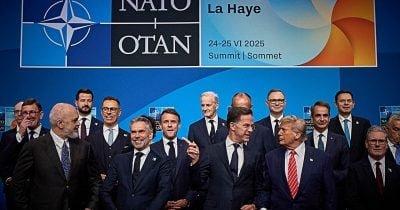
The recent NATO summit in Ankara, held on July 7-8, has emerged as a pivotal moment in the ongoing conflict between Ukraine and Russia, largely due to the announcement of a substantial €70 billion military aid package for Ukraine in 2026. This commitment, coupled with expectations for similar levels of support in 2027, is more than just financial assistance; it represents a strategic alignment of Western nations against Russian aggression.
Kurt Volker, a significant figure in transatlantic relations, noted that this summit has not only reinforced NATO's unity but also sent a clear message to Russian President Vladimir Putin. The pledge, amounting to a staggering €140 billion over two years, signifies NATO's unwavering support for Ukraine's sovereignty amid Russia's occupation of 20% of Ukrainian territory. Such a bold stance could potentially discourage further military actions from Russia, leading to a decrease in the likelihood of direct military confrontation between NATO and Russian forces.
From a market perspective, the announcement has influenced pricing dynamics, with a slight reduction in the anticipated probability of a NATO-Russia military clash by the end of 2026. This shift reflects growing investor confidence in NATO's collective defense mechanisms and strategic foresight. However, investors should remain vigilant, as any aggressive moves by Russia, especially near NATO borders, could quickly shift market sentiments.
Moreover, diplomatic engagements between NATO and Russia in the coming months will be crucial. These discussions may lead to either a de-escalation of tensions or exacerbate the current standoff, particularly if they result in new arms control talks or changes in military exercises. The international community will be closely monitoring NATO's actions as they hold significant implications for global geopolitical stability and operational readiness.
In conclusion, while NATO's significant financial commitment to Ukraine is undoubtedly a strong show of support, it also acts as a litmus test for future relations between Russia and the West, potentially setting the stage for broader implications in the global arena.
This article is for informational purposes only and should not be considered financial advice.