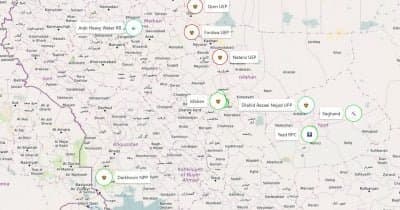
The recent military strike by the United States near Iran's Bushehr Nuclear Power Plant marks a significant escalation in the already fraught relationship between the two nations. This action follows the collapse of a ceasefire that had brought a temporary lull in hostilities, only for tensions to resurface dramatically. By targeting approximately 80 to 90 military sites within Iran, this strike is a clear response to Iranian attacks on commercial vessels in the strategic Strait of Hormuz, a vital artery for global oil supplies.
Despite the strike's proximity to a nuclear facility, Iranian authorities reported that Bushehr itself suffered no damage. However, this incident underscores the precarious balance of military power in the region and heightens the risk of further confrontations. It raises essential questions about nuclear safety and the potential for miscalculations that could lead to a broader conflict.
Market reactions suggest a growing perception of instability, with diminished expectations for future International Atomic Energy Agency (IAEA) inspections of Iranian nuclear sites. This reflects heightened security concerns as the possibility of Iran closing its airspace increases, a move that could have far-reaching implications for regional travel and trade.
As observers watch for any new military actions or diplomatic engagements between the U.S. and Iran, the implications for regional stability are profound. The potential for an official IAEA statement regarding access to Iranian nuclear facilities could signal a significant shift in diplomatic relations. Additionally, any adjustments to Iran's airspace policy would serve as a critical indicator of whether tensions are set to escalate further.
Given the interconnectedness of geopolitical events and global markets, the ramifications of this military strike extend beyond the Middle East. For investors and market participants, a keen eye on developments in this arena will be crucial, especially as shifts in diplomatic postures can influence oil prices and overall market confidence.
This article is informational and does not constitute financial advice.