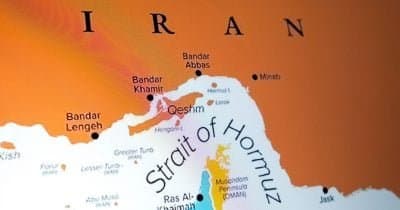
Recent concerns from Representative Stanton about the prolonged closure of the Strait of Hormuz underscore a potentially catastrophic scenario for global economic stability. This vital maritime corridor, through which a significant portion of the world’s oil supply is transported, has faced severe disruptions due to escalating military tensions between the United States, Israel, and Iran. As the global energy market grapples with uncertainty, the implications of this situation become increasingly pronounced.
Understanding the Economic Stakes
The Strait of Hormuz serves as a crucial chokepoint for approximately 20% of the world’s oil supply, making any disruptions here a matter of international concern. Stanton's emphasis on the need for intensified diplomatic efforts highlights the fragility of the current geopolitical landscape. With a ceasefire agreement signed in June unable to fully quell hostilities, the volatility is likely to continue, raising fears of oil price spikes that could ripple through economies worldwide.
The anticipation of a return to normal traffic by the end of August has diminished, indicating market skepticism about timely diplomatic resolutions. A prolonged closure could exacerbate inflationary pressures globally, as countries that rely heavily on these oil supplies may face increased costs, ultimately affecting consumers and businesses alike.
Potential Market Repercussions
Investors should remain vigilant, as shifts in diplomatic relations between the U.S. and Iran could significantly influence market expectations. Any formal announcements regarding peace negotiations or the resumption of safe passage through the Strait of Hormuz might create impactful fluctuations in oil prices and related markets.
- Increased oil prices, driven by supply constraints, could lead to inflationary pressures in consumer goods.
- Global stock markets may react negatively to sustained instability, prompting a reassessment of risk exposure across various sectors.
- Supply chain disruptions could exacerbate issues already faced due to previous crises, resulting in slower recovery for affected economies.
As the situation evolves, stakeholders in both energy and financial markets should closely monitor further developments. The potential for military escalation remains, and such a scenario could worsen the economic turmoil significantly. Evidence of ongoing conflict or indications of breakthroughs in negotiations can provide critical insights into energy market stability.
This article is for informational purposes only and does not constitute financial advice.