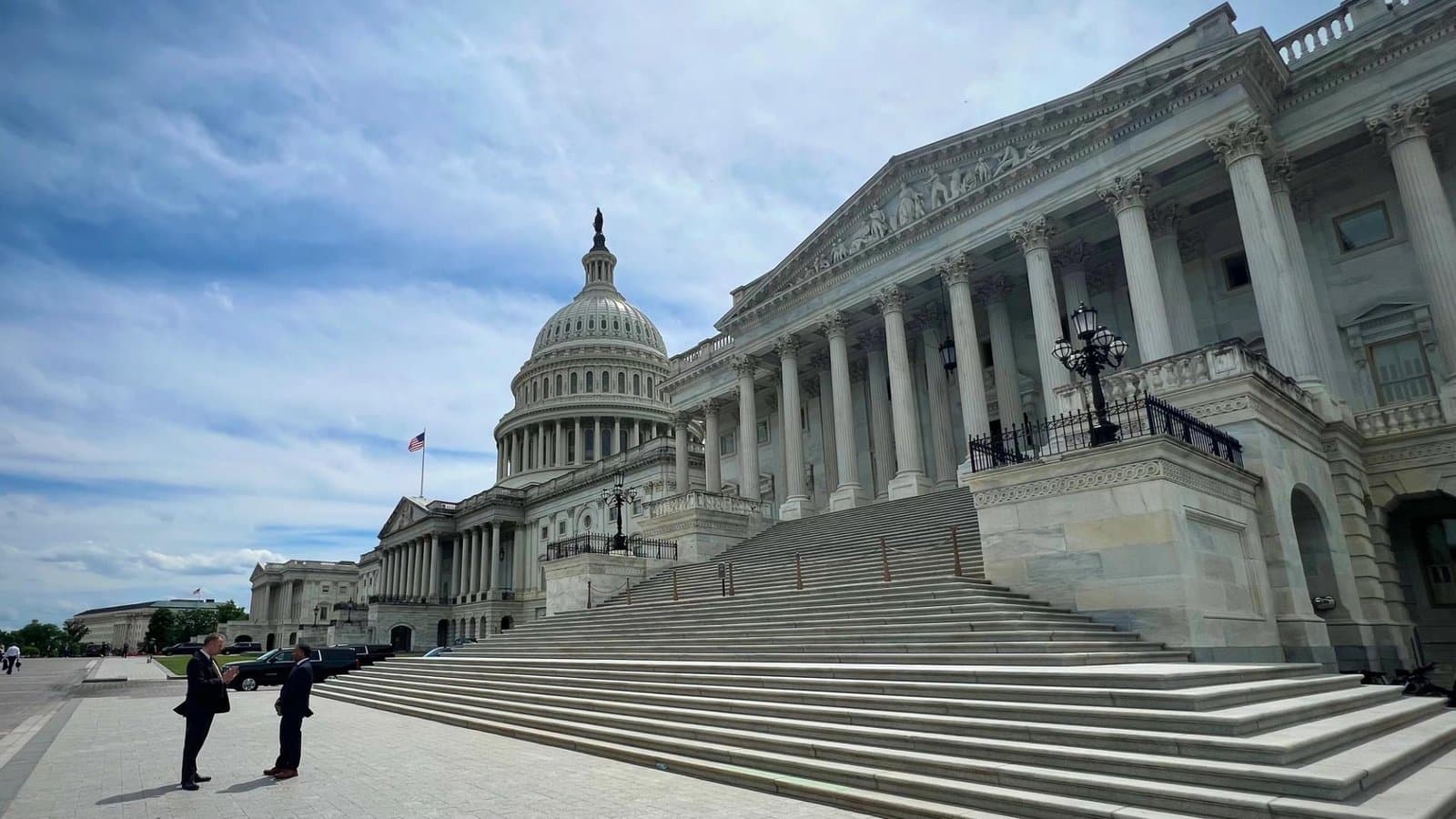
Recent discussions around the Digital Asset Market Clarity Act indicate that the legislation, previously thought to be stalled, might soon witness a new draft release. This development is crucial for the cryptocurrency landscape, as it could provide more regulatory certainty that the industry has been desperately seeking.
Sources suggest that lawmakers plan to unveil the updated version of the Clarity Act this week. This draft appears to integrate various elements from previously passed bills in both the Senate Banking and Agriculture Committees, bringing together disparate factions in a bid to create a cohesive regulatory framework. However, while the anticipation around this new draft is palpable, it is essential to recognize that challenges remain. The absence of certain contentious provisions, including ethics clauses, raises questions about the comprehensiveness and readiness of this new legislation.
The timing of this development is equally significant, as the 2026 midterm elections approach. With lawmakers set to return from summer recess shortly before the elections, there is mounting pressure to achieve meaningful progress on the Clarity Act. Senate Majority Leader John Thune's willingness to bring the bill to a floor vote in July reflects this urgency. However, for the bill to pass, it will require the backing of at least 60 senators, including support from both parties, which is a tall order considering the current political climate.
Organizations such as Stand With Crypto are expected to actively lobby for the bill, highlighting the extensive financial backing from crypto political action committees. Their involvement underscores the financial stakes in play as the industry seeks to establish a more structured and favorable regulatory environment. The outcome of these negotiations could determine not only the future of the Clarity Act but also the broader trajectory of cryptocurrency regulation in the United States.
As the industry watches closely, the stakes could not be higher. If successful, the Clarity Act could pave the way for greater institutional adoption and investment in cryptocurrencies, enhancing the legitimacy of the market. Conversely, failure to pass could lead to prolonged uncertainty, dampening investor confidence and hindering innovation. In this context, the forthcoming draft serves as a critical indicator of whether the crypto sector can navigate the complex legislative landscape ahead.
This article is for informational purposes only and should not be considered financial advice.