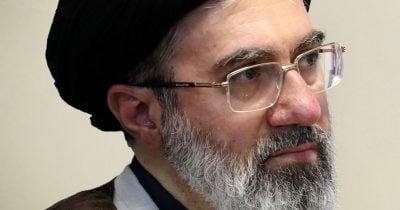
The recent ascendancy of Mojtaba Khamenei, following the assassination of his father, Ayatollah Ali Khamenei, symbolizes not just a shift in Iranian leadership but also a potential turning point in the geopolitical landscape. This transition, sanctioned by the Assembly of Experts, raises important questions regarding internal stability and regional dynamics amid escalating tensions with the United States and Israel.
Implications of Leadership Transition
Mojtaba Khamenei's rise, occurring under the shadow of his father's violent death attributed to airstrikes linked to U.S. and Israeli interests presents a unique scenario for Iran. Analysts are now focusing on the 83% probability that he will maintain the leadership role by the end of 2026, a figure reflecting market confidence in his ability to consolidate power despite surrounding volatility.
This consolidation is significant as it indicates a continuation of Iran's prevailing political doctrines, potentially veering towards a more confrontational approach against perceived external threats. The recent purging of key military figures under the previous regime may also signal Mojtaba's intention to safeguard his power by solidifying loyalty among military and political elites.
Market Response and Regime Stability
The markets appear cautiously optimistic, yet they harbor skepticism regarding the long-term survival of the regime. Current estimates place the likelihood of a regime fall at 6.5% before 2027, an indication that while confidence exists, the threat of instability remains palpable. Investors are acutely aware of the historical volatility within Iranian leadership transitions, which results in economic uncertainty and market fluctuations.
As such, stakeholders are closely monitoring the situation for any signs of dissent or widespread dissatisfaction within Iran. Should Mojtaba Khamenei successfully gain domestic endorsement or international recognition, it could enhance market confidence in his regime. Conversely, emerging reports of unrest could drive Iranian assets down, as they would emphasize the fragility of the new leadership.
Looking Ahead
Moving forward, the Iranian political landscape will play a pivotal role in shaping market sentiment and investment decisions. Key indicators to watch include announcements from the Assembly of Experts, shifts in domestic policy, and Iran’s foreign diplomatic posture. Any significant geopolitical maneuvers, particularly in relation to the United States and Israel, will undoubtedly shape both the Iranian regime’s stability and investor confidence in regional assets. Ultimately, as external pressures and geopolitical tensions fluctuate, the repercussions could extend beyond Iran, influencing global markets and altering the landscape for crypto investors who are increasingly seeking stability amid uncertainty.