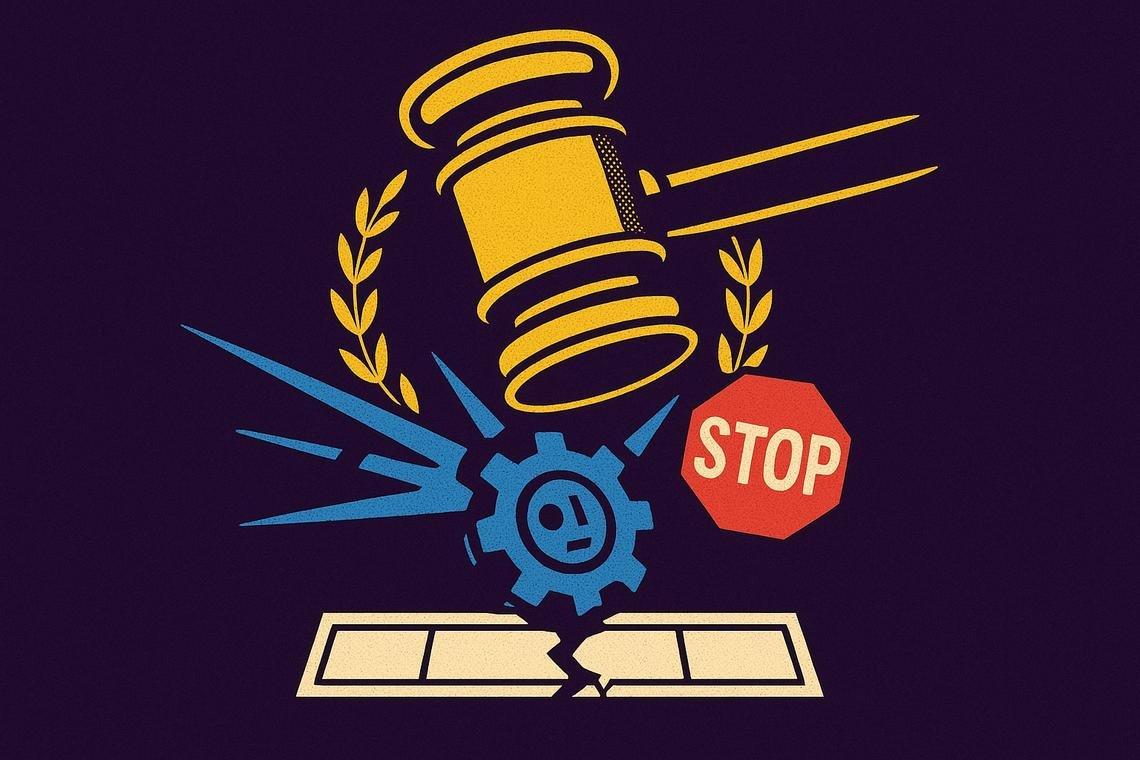
The dialogue surrounding the effective regulation of artificial intelligence (AI) in Europe is becoming increasingly urgent as the technology evolves at an unprecedented pace. At the European Central Bank’s annual meeting in Sintra on July 6, 2026, senior financial regulators voiced their concerns that the current regulatory framework is lagging significantly behind the rapid advancements in AI.
The Challenge of Keeping Up with Technology
One of the core issues raised during the meeting was the sheer speed at which AI technology develops, often within mere weeks. Sarah Breeden of the Bank of England articulated this dilemma, questioning the efficacy of existing rules designed to manage systemic risks when they were not established to accommodate the potentially disruptive nature of AI. This situation highlights a fundamental flaw in the contemporary regulatory environment where rules are crafted on a timeline that does not align with the accelerating rate of technological innovation.
Proposed Solutions Amidst Growing Risks
Policymakers proposed several solutions to mitigate the inherent risks associated with rapidly evolving AI technologies. Notably, the suggestion of implementing market circuit breakers and kill switches was made to halt trading if faulty AI algorithms trigger severe market disruptions. Such measures reflect a growing recognition that AI could pose risks arguably more substantial than traditional cybersecurity threats, as ECB President Christine Lagarde emphasized. Her assertion that AI represents “a much more serious risk” underlines the need for a robust preventive framework that has not yet been developed to address these challenges.
The Future of AI and Financial Markets
The Bank for International Settlements (BIS) warned of the potential for a sudden market correction driven by prolonged enthusiasm for AI, suggesting that the hype surrounding AI might push investments beyond sustainable levels. Additionally, the International Monetary Fund (IMF) highlighted the dissonance between the long-term infrastructure needed for AI and the short-term financing strategies currently in place. Such concerns indicate that as the implementation of AI expands in various sectors, including finance, there may be unforeseen repercussions that could disturb market stability.
Moreover, the call from Austria for the establishment of Anthropic's operations within Europe, following U.S. export controls that temporarily stymied its technological advancement, serves as a reminder of the geopolitical dimensions of AI regulation. It emphasizes the need for Europe to take a proactive stance in shaping its technology landscape, rather than becoming overly reliant on external resources.
Ultimately, the discussions in Sintra implied that the urgency for efficient AI governance is more pressing than ever. As Europe grapples with creating regulations that can evolve in tandem with technology, investors must remain vigilant and adaptable to the evolving landscape that AI presents. The implications of these discussions could shape investment strategies, regulatory compliance, and the overall health of financial markets in the foreseeable future.