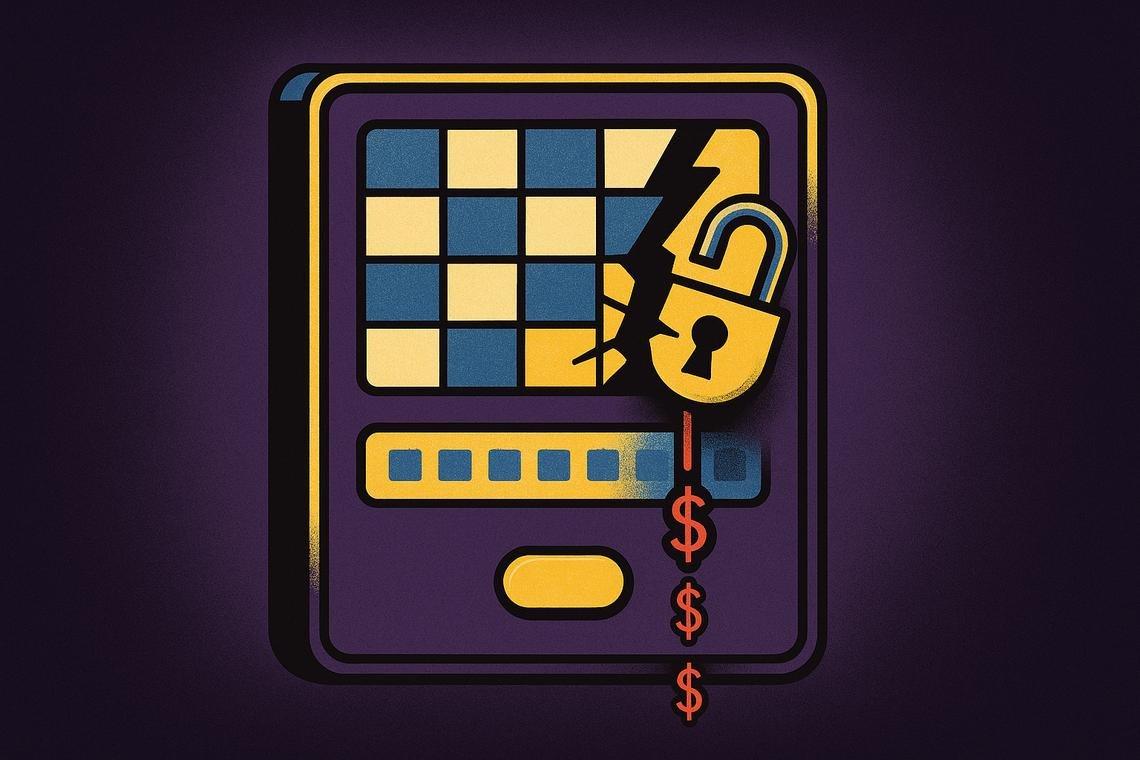
The recent emergence of the Ill Bloom vulnerability highlights a critical weakness in the security protocols of self-custodial crypto wallets. As of late May 2026, this flaw has reportedly enabled attackers to siphon off around $5 million from various wallets that rely on compromised recovery phrase generation. The implications of this issue extend far beyond individual losses, raising significant concerns regarding the overall integrity of the cryptocurrency ecosystem.
Understanding the Heart of the Vulnerability
At its essence, the Ill Bloom vulnerability stems from inadequate randomness used in generating recovery phrases. Recovery phrases serve as a master key to crypto wallets, needed for access to digital assets. When the random number generator (RNG) utilized in this process is defective, it allows for easier prediction of these critical phrases. Cybercriminals can capitalize on this predictability, systematically reconstructing seed phrases without necessitating user passwords or consent.
Brute-Force Attacks: A New Level of Risk
The vulnerabilities associated with the Ill Bloom flaw further escalate the risk of brute-force attacks against affected wallets. In healthy systems, the vast array of possible recovery phrase combinations renders it computationally improbable to crack a wallet. Conversely, a faulty RNG significantly reduces this complexity, transforming a supposedly secure system into an attractive target.
Self-custodial wallets, where users maintain their own keys, are at the forefront of these concerns. Originally marketed as a secure means of controlling one’s assets, this independence now embodies a painful irony: users may find themselves more vulnerable than they anticipated. As self-custody gains traction, this incident could provoke a reevaluation of user behavior and trust in these wallets.
The Wider Implications for the Market
Security breaches of this magnitude not only impact individual investors but can also influence market perceptions and behaviors towards crypto. As seen in previous incidents, investor confidence tends to wane following significant hacks, which could cause volatility across numerous cryptocurrency markets. The anticipated reports from cybersecurity firms like CertiK and PeckShield may further illuminate the extent of the vulnerability and discuss remedial measures. Addressing this crisis will be vital for reestablishing trust among users and investors alike.
In conclusion, the Ill Bloom vulnerability represents a significant challenge for blockchain security in 2026. As the implications unfold, stakeholders must remain vigilant and prioritize security enhancements to safeguard against similar attacks in the future.