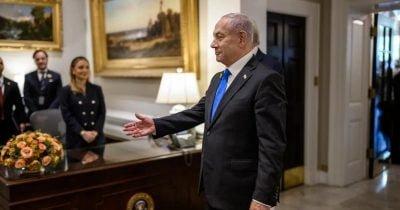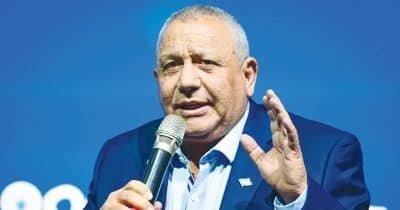
As Israel approaches its parliamentary elections in October 2026, the political landscape has become increasingly dynamic. Former IDF Chief of Staff Gadi Eisenkot has emerged as a serious competitor to Prime Minister Benjamin Netanyahu, largely due to growing public dissatisfaction with the incumbent's management of the Israel-Hamas conflict. Current polling shows Eisenkot nearly tied with Netanyahu, signalling a potentially pivotal shift in Israeli politics.
This rise in Eisenkot's support is not merely a reflection of individual popularity, but rather indicative of broader societal dynamics. Many Israelis are seeking change after years of enduring the outcomes of ongoing conflict and perceived political stagnation. Eisenkot's Yashar party is resonating with voters by promising a fresh perspective, while Netanyahu’s long-standing strategies often characterized by confrontational politics seem less effective amid current circumstances.
The Shifting Perception of Leadership
The market's response to the evolving political situation suggests a growing perception of vulnerability around Netanyahu's leadership. As more voters express their discontent, the odds of his ousting have become more pronounced, although still demonstrating a level of uncertainty regarding the future. This reflects a critical point where political sentiment can rapidly influence both governance and market stability in Israel.
Implications for Political Strategy
In response to Eisenkot's rising profile, it is imperative to closely monitor the political strategies employed by both candidates leading up to the elections. The outcomes of upcoming polls will be crucial. Should public opinion continue to shift towards Eisenkot, we may witness significant political alliances forming or breaking, reshaping the landscape entirely. Additionally, developments in the Israel-Hamas conflict could heavily influence voter sentiment, reinforcing or undermining Netanyahu's position.
Future Scenarios to Watch
Political analysts and market observers should look out for key announcements and events that might sway public opinion further. Not only Netanyahu and Eisenkot's movements will play a significant role, but also the involvement of other political figures may create unexpected alliances or rivalries.