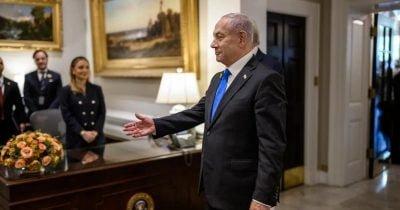
The recent actions of Israeli Prime Minister Benjamin Netanyahu, specifically his refusal to follow a ruling from the Supreme Court, highlight a significant escalation in Israel's ongoing constitutional crisis. This defiance is unprecedented within the current political context and raises pressing questions about the future stability of his administration as Israel moves toward an election period in October.
Netanyahu's challenges stem from a broader initiative aimed at judicial reform, which seeks to curtail the Supreme Court's authority, particularly its ability to overturn government decisions deemed unreasonable. Such moves appear to jeopardize the foundational checks and balances that underpin democracy in Israel, igniting turmoil not only amongst political circles but also within the general populace, who are increasingly concerned about the implications of this power struggle.
Political Uncertainty and Market Reactions
Market responses indicate heightened uncertainty regarding Netanyahu's hold on power, with prediction markets suggesting a 46% chance of his removal from office before the end of 2026. This level of market pricing reflects a significant lack of confidence among investors and analysts about the prime minister's longevity in office, particularly in light of an increasingly fractious political environment.
As the political landscape evolves, especially considering the looming elections, the ramifications of Netanyahu’s defiance could lead to unexpected shifts in political alliances, voter sentiment, and potentially the composition of the next government. Crucially, the judicial overhaul he champions might backfire, further alienating centrist and left-leaning factions that could equilibrate the political narrative.
Overlapping Crises and Their Impacts
The ongoing military conflict with Hamas complicates this already volatile situation, presenting a dual challenge to Netanyahu's leadership. Any escalation in military tensions could influence public perception and political dynamics, making it imperative for observers to closely monitor both the domestic and international responses to these events. The sensitive interplay between Netanyahu's judicial reforms, the Supreme Court’s next steps, and the conflict in Gaza can lead to profound implications for Israel's future and its political fabric.
Ultimately, it will be essential to watch how key political stakeholders react to this constitutional crisis. The cohesiveness of Netanyahu’s coalition, the response from the Supreme Court, and the evolving situation with Hamas will be crucial factors influencing the political landscape ahead of the elections. These developments will likely reshape prediction market expectations, establishing a new narrative for the future of Israeli politics.