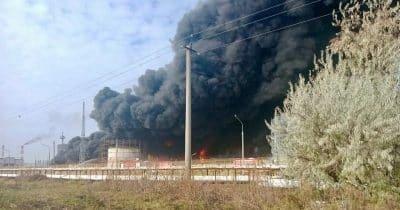
The recent escalation of Ukrainian drone strikes on Russian oil export terminals represents a significant geopolitical development with potential ramifications for global energy markets and cryptocurrency investments. As Ukraine continues its systematic attacks on Baltic ports, the implications for oil supply stability could echo across various risk assets, including cryptocurrencies.
Targeting Key Energy Hubs
In 2026, Ukraine has intensified its military operations against Russian infrastructure, particularly in the Baltic Sea region. The key oil export terminals targeted include Ust-Luga, Primorsk, and Vysotsk, which are crucial for Russia's crude exports. With Ust-Luga facing its fifth strike in ten days as of March 31, operations there have effectively ground to a halt. The attack on Primorsk on May 3 resulted in notable damage and subsequent alarms among Russian officials. The escalation peaked with a drone swarm of over 72 drones on July 4, culminating in strikes on critical facilities in the Leningrad region.
Global Oil Market Implications
The Russian Baltic oil terminals are pivotal to the country's energy exports, and continuous operational disruptions can lead to higher global oil prices. Such inflationary pressures are particularly concerning in the current economic climate, where energy prices significantly influence manufacturing and logistics costs worldwide. Untimely supply interruptions can amplify inflation rates, prompting central banks to maintain or raise interest rates instead of providing anticipated monetary easing.
Ripple Effects on Cryptocurrencies
This situation presents a paradox for cryptocurrency markets. Russia has increasingly leveraged cryptocurrencies for sanctions evasion and external trade settlements as traditional financial pathways have closed. Although any further disruptions to Russia's oil revenue could deepen its reliance on crypto-based transactions, such demand dynamics are complex and primarily operate in less transparent, over-the-counter markets.
It is important to recognize that rising oil prices can create a ripple effect throughout the crypto market. As traditional asset classes react to inflationary pressures, the crypto market may see increased volatility as investors reassess risk and potential opportunities. The intertwined fate of energy markets and digital currencies underscores the relevance of energy costs in shaping investor sentiment in the crypto space.
In conclusion, the drone strikes against Russian oil export facilities not only disrupt oil supply but also pose broader threats to economic stability. For cryptocurrency investors, understanding the underlying connection between energy price movements and market dynamics will be key to navigating potential market turbulence in the coming months.