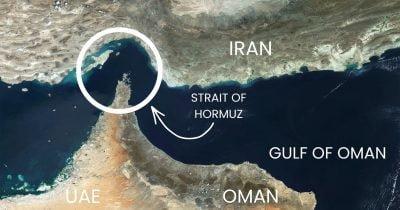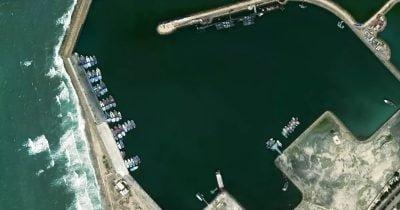
The recent attack on a cargo ship by Iran's Revolutionary Guard in the port city of Jask marks a critical and alarming escalation in US-Iran tensions. Reports indicate that over ten explosions occurred in the area, leading to increased concerns regarding the security of vital shipping routes in the Strait of Hormuz, a crucial corridor for global oil transportation.
This incident not only highlights the precarious nature of geopolitical stability in the region but also reflects an apparent breakdown of the ceasefire that had previously been in existence. Iran's aggressive maneuvers suggest a renewed commitment to disrupt shipping activities, which could have significant implications for global energy markets and shipping logistics.
Market Reactions and Predictions
The market has reacted swiftly to these developments, showing a sharp increase in the perception that Iran could successfully target shipping lanes. Analysts have noted a notable shift in prediction markets, with rising probabilities for disruptions in shipping operations. The implications of these changes are considerable:
- Increased risk assessments for shipping companies operating in the region.
- Potential rises in oil prices due to anticipated supply disruptions.
- Heightened military preparedness from US and allied forces in response to Iranian aggression.
The international community, especially the United States and its allies, will need to maintain vigilant oversight over Iran's military actions in the coming days. Any further escalation could not only worsen tensions but also lead to substantial fluctuations in energy prices and shipping routes that are pivotal to global commerce. The dynamic will require keen observation, as escalating tensions in the Middle East are likely to reverberate throughout various markets.
This material is informational and should not be viewed as financial advice.