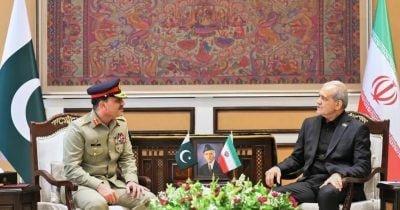
Amid rising tensions following recent U.S. Israeli airstrikes on Iran, Qatar and Oman are taking a proactive role in mediating dialogue between the United States and Iran. Their involvement is crucial as both nations navigate a precarious landscape of military threats and potential negotiations.
The key objective of these diplomatic efforts is to revive a 60-day memorandum of understanding. This agreement aims to de-escalate hostilities, vital for ensuring the safe passage through the Strait of Hormuz, a critical waterway for global oil supply. As airstrike tensions remain high, the importance of this maritime route cannot be overstated, with further escalation risking both regional stability and international energy markets.
Market Reactions to Diplomatic Efforts
Current market sentiments reflect a wavering confidence in the likelihood of a successful diplomatic meeting by July 31, 2026. Market predictions have priced in a 33.5% chance of talks progressing positively by that date, a noticeable decline compared to prior weeks. Additionally, the prospect of a meeting occurring by July 17 sits even lower at 11.5%, demonstrating market skepticism towards immediate breakthroughs.
These sentiments are indicative of broader implications, as the related markets show varying expectations regarding the terms of a potential U.S.-Iran deal. Issues such as nuclear enrichment limitations and reconstruction funding are at the forefront of these negotiations, reflecting the complicated interplay of political power and economic interests.
Observers now have their eyes on key political figures, including U.S. President Donald Trump and Iranian Foreign Minister Seyed Abbas Araghchi. Their statements and decisions will likely influence market confidence and expectations surrounding the diplomatic talks. Furthermore, developments in the Strait of Hormuz and ongoing military actions could also provide real-time insights into the prospects for peace.
The continued involvement of Qatari and Omani mediators may bring unique opportunities for resolution if negotiations can gain momentum. However, the uncertain outcome remains a significant point of focus for investors looking to make informed decisions in this precarious geopolitical landscape.
This article is informational and should not be considered financial advice.