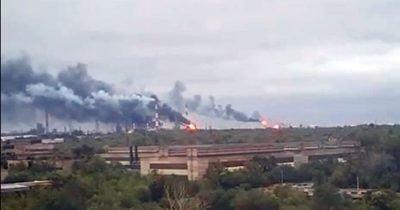
The political landscape in the Middle East is fraught with tension as Iran's supreme leader and former President Donald Trump engage in a war of words following military confrontations in the strategically vital Strait of Hormuz. This escalation follows the collapse of a 60-day ceasefire, now accompanied by renewed U.S. military strikes against Iranian targets, marking a critical turning point in the ongoing conflicts of 2026.
The Strait of Hormuz, a crucial passage for global oil transit, has become a hotspot for hostilities, raising alarm about potential disruptions in international oil supply. The recent threats exchanged between Trump and Iran suggest a shift toward a larger military confrontation, prompting analysts to speculate on the likelihood of an increased U.S. military presence in the region. Such developments could profoundly influence global oil prices and market stability.
Current market indicators are reflecting a growing anxiety among investors, with pricing suggesting a 17.5% probability of a U.S. invasion of Iran by 2027. The geopolitical implications of such actions are manifold, as escalated military conflict could lead to serious supply chain disruptions in the energy sector, exacerbating already volatile oil prices.
Major factors to watch include ongoing diplomatic efforts, as any progress could shift market dynamics significantly. The upcoming declarations from key leaders, including Trump and military officials in the Pentagon, are expected to provide additional clarity on potential military strategies. Given the geopolitical climate, any further military actions or escalatory rhetoric will likely amplify market volatility, particularly in oil and related securities.
In summary, the tension between the U.S. and Iran has substantial implications not only for military strategy but also for global markets. Investors would be wise to remain vigilant as changes in this landscape unfold.
This article is for informational purposes only and should not be considered financial advice.