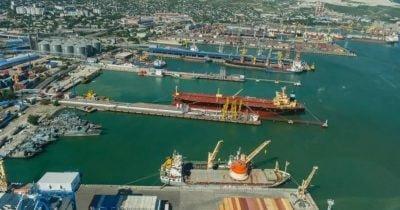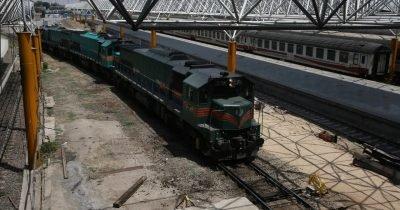
The recent US military strike on a crucial railway bridge in Iran has stirred significant implications for global trade corridors and the cryptocurrency market. This operation, marking the first US infrastructure targeting since the collapse of the ceasefire earlier this year, emphasizes the intricate relationship between geopolitical tensions and financial markets.
Understanding the Repercussions of the Strike
The targeted bridge, located in Golestan province, serves as a vital link in the overland trade routes connecting Iran with China and Russia. This corridor is strategically important, facilitating faster trade by allowing freight movement from Xi’an, China, to Tehran in as little as 10-15 days, thus avoiding the complications of maritime shipping routes.
- The strike was executed on July 8-9, 2026, using cruise missiles.
- It represents the first US military action against Iranian infrastructure since the April ceasefire collapsed.
- The rail corridor is essential for the China-led Belt and Road Initiative and the International North-South Transport Corridor (INSTC).
This military action could trigger a series of reactions in risk-sensitive markets, including cryptocurrencies. Historical precedents indicate that geopolitical events can meaningfully impact assets like Bitcoin and Ethereum. For instance, after the assassination of Iranian General Qassem Soleimani in January 2020, Bitcoin and Ethereum initially dropped before rebounding a pattern that investors should be mindful of in this context.
The Broader Implications on Oil and Trade
Additionally, the ripple effects of this strike encompass global oil prices, as approximately 20% of the world’s oil transportation occurs through the Strait of Hormuz. Any disruptions in this region could lead to heightened energy prices, further intertwining the fate of the energy sector with cryptocurrency markets. Iranian officials have condemned the strikes, which may escalate the situation, complicating trade routes even further.
Moreover, as countries like Russia and China adopt yuan-denominated trade settlements and explore blockchain alternatives, the role of alternative currencies, including cryptocurrencies, in these geopolitical dynamics cannot be understated. Iran's exploration of crypto mining indicates a growing interest in utilizing blockchain technology to leverage its energy resources outside of traditional banking systems.
What Investors Need to Know Moving Forward
Investors and analysts should keep a close watch on the movement of stablecoins, as significant fluxes in volumes of USDT and USDC could serve as leading indicators of market sentiment shifts. Such movements often precede notable directional changes in the broader cryptocurrency market.
This situation, unlike the Soleimani incident, occurs within a matrix of ongoing conflict where higher tensions may lead to more severe market reactions.
disclaimer: this material is for informational purposes only and is not financial advice