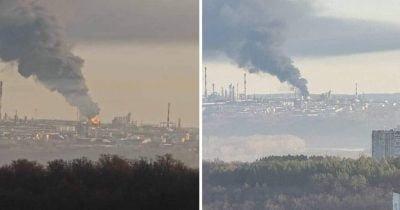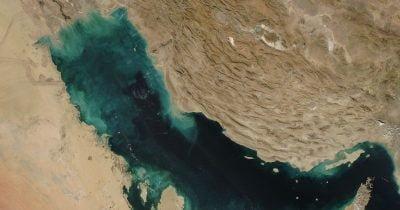
The recent surge in U.S. military flights over the Persian Gulf has raised eyebrows, signaling a pronounced shift in regional dynamics amidst ongoing tensions with Iran. The operations, particularly under the banner of Operation Epic Fury, suggest that the U.S. is not merely on the defensive but is preparing for a range of possible military engagements. With two aircraft carriers, the USS Abraham Lincoln and USS George H.W. Bush, stationed in the Gulf, the U.S. shows its intention to maintain a significant military presence in this volatile region.
This escalation is concerning for several reasons. First, it comes in the wake of a tenuous ceasefire that had momentarily quelled hostilities between coalition forces comprising the U.S. and Israel against Iranian military units. Recent hostilities, including missile and drone strikes on U.S. bases by Iran, have already spotlighted the fragility of peace in this area.
The implications for international markets, particularly those linked to oil and aviation, could be substantial. Reports indicate that the likelihood of Iran closing its airspace has increased, with current market pricing reflecting a 23.5% probability of such an event occurring by the end of July. This spike, up from 20% just a day prior, illustrates growing anxieties that an airspace closure could occur in response to perceived threats from U.S. military actions.
Investors and stakeholders need to keep a close watch on announcements from Iranian authorities, especially regarding airspace operations, potentially signaled by the Civil Aviation Organization of Iran. Any escalation could reinforce scenarios predicting a complete airspace closure, which would have profound impacts on global shipping and airline operations. Additionally, statements from U.S. officials, including the President or military spokespeople, will be pivotal in shaping market sentiment.
This situation serves as a stark reminder of how geopolitical tensions can ripple through global markets. Investors should remain vigilant in monitoring these developments and reassess their strategies accordingly. Further military actions or confirmations of operations could materially influence not just the military landscape, but economic stability in the region.
This article is for informational purposes only and should not be considered financial advice.