Recent developments in Iran have underscored the intensifying political climate following the ongoing conflict in 2026, particularly with a provocative threat directed at former U.S. President Donald Trump. This aggressive stance, highlighted by a newspaper linked to Iran's hardline factions, indicates a possible shift in internal dynamics and raises important questions about Iran's leadership stability.
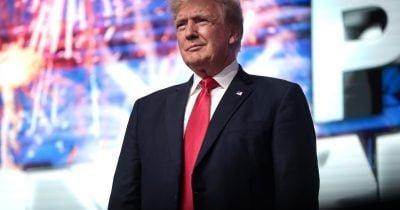
The publication features an alarming image of Trump marked with a red target, accompanied by the chilling statement, “We will kill Trump.” This act of defiance, endorsed by the new Supreme Leader, Mojtaba Khamenei, illustrates the hardliners' determination to project strength amidst a fragile ceasefire situation that has emerged after the death of previous Supreme Leader Ali Khamenei in the U.S.-Israeli-led Operation Epic Fury.
According to Israeli intelligence, this explicit threat against a prominent global figure serves as a considerable warning signal regarding Iran's internal political environment. The fear surrounding this threat is substantiated further by prediction markets that reflect a downward trend in confidence about Iran maintaining consistent leadership until the end of 2026. The increased risk associated with Iran's political stability should not be ignored, especially in light of recent events.
Analyzing the Implications of the Threat
What does this escalating rhetoric mean for the broader geopolitical landscape? The threats against Trump not only highlight the hardline factions’ aggressive posturing but also signal a potential deepening of internal discord within Iran's leadership. As hardliners seek to consolidate their control, this could lead to increased tensions both domestically and internationally.
The international community is likely to be on high alert, closely monitoring Iran's military activities and any changes in leadership dynamics. Analysts will be particularly interested in how foreign governments react to such threats, as well as any signs of further consolidation of power by hardline groups. Increased hostility toward the U.S. could lead to heightened military posturing in the region, which might adversely impact global markets, especially those tied to oil and security.
Future Considerations
As these developments unfold, observers will need to evaluate potential outcomes. Key indicators of stability or instability in Iran might include:
- Signs of unity or discord among Iran’s leadership factions.
- The potential for international diplomatic responses to the threats.
- Any shifts in military strategy or increased provocations.
As the situation continues to evolve, the intersection of internal Iranian politics and external threats serves as a reminder of the complexities that influence not only the region's stability but also global economic conditions.
This material is for informational purposes only and should not be considered financial advice.