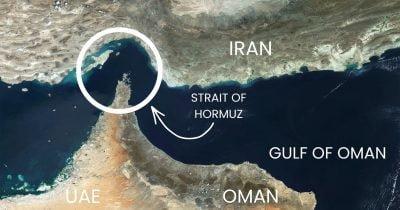
The geopolitical landscape around the Strait of Hormuz has taken an unexpected turn, interlinking traditional maritime tensions with the evolving cryptocurrency landscape. On July 10, 2026, the governing council of the International Maritime Organization (IMO) condemned Iran's claims of sovereignty over this critical shipping lane, urging member states to reject Tehran's unilateral decisions regarding traffic control.
The Strait of Hormuz is a vital conduit, with approximately 20-25% of the world's oil and a significant portion of liquefied natural gas passing through its narrow waters daily. Recent tensions, escalating from sustained military actions by the US and Israel against Iran, have seen Iran resorting to demanding transit fees in Bitcoin and stablecoins from vessels navigating the strait. This pivot towards cryptocurrency reflects Iran's strategy to bypass US-controlled dollar payment systems while creating a cryptocurrency-driven insurance platform purportedly worth $10 billion.
This convergence of geopolitical risk and cryptocurrency dynamics could have profound implications for global markets. With Brent crude prices surging to $126 per barrel in March 2026, the situation has direct ramifications for inflation and liquidity across various sectors. Any sustained escalation in military tensions could again push these oil prices to new highs, complicating the market environment for both crypto and traditional financial investors.
Furthermore, the IMO's clear disavowal of Iran's claims strips away any semblance of legitimacy from Tehran's demands. If member states adhere to this position, Iran may face difficult choices: either retreat from its aggressive stance or escalate its enforcement measures, potentially exacerbating supply chain disruptions.
The bitcoin market, in particular, has remained resilient to these developments, with minimal impact reported beyond Bitcoin and stablecoins. However, investor sentiment should remain cautious. Heightened tensions in this geopolitical hotspot not only affect oil access but could also signal increased volatility in crypto assets, particularly if other major cryptocurrencies are drawn into the fray.
This article is for informational purposes only and should not be considered financial advice.