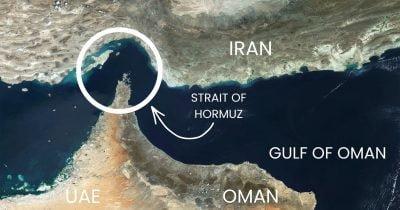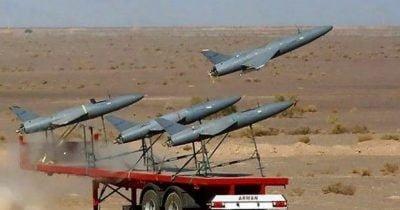
In a significant military response to escalating tensions, Jordan has activated its air-defense systems against a backdrop of missile and drone threats from Iran, marking a pivotal moment in the ongoing 2026 US-Israel conflict. This series of attacks over 240 reported incidents highlights the fragility of security in the region, raising concerns not only for Jordan but also for its neighboring states, most notably Israel.
The activation of Jordan's air-defense capabilities suggests a shift in its stance, despite the nation's previously maintained technical neutrality. This shift is emblematic of the broader geopolitical dynamics at play, wherein the threat from Iran is perceived as increasingly direct and immediate, affecting regional stability. The implications of this development extend beyond just military preparedness; they indicate a possible revaluation of threat perceptions by regional powers and could lead to a reconsideration of defense alliances.
Implications for Israel's Airspace and Regional Security
As Jordan ramps up its defenses, Israel faces a dilemma regarding its own airspace security. Market predictions suggest an increased likelihood of airspace closures, with participants in the markets reflecting heightened concern over potential military escalations. This uncertainty could lead to significant disruptions in air travel, affecting not only Israeli citizens but also international travelers and airline operations. Observers will be closely watching official announcements from Israeli authorities, particularly from the Israel Airports Authority and the Israeli Air Force, as any decisions made may have lasting impacts on both security strategies and market dynamics.
Potential Market Reactions and Future Considerations
Investors and market analysts are advised to monitor further developments in the conflict. As Jordan fortifies its defenses, the potential for retaliatory actions by Iran could alter the regional balance and provoke responses from other nations involved in the conflict. The situation is fluid, and stakeholders must be prepared for either heightened tensions or diplomatic breakthroughs that might de-escalate the current crisis. Furthermore, statements from key figures such as Miri Regev could provide insights into Israel’s strategic responses and future military posturing.
This material is for informational purposes only and should not be considered financial advice.