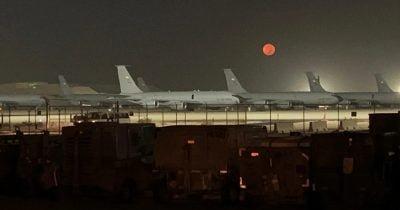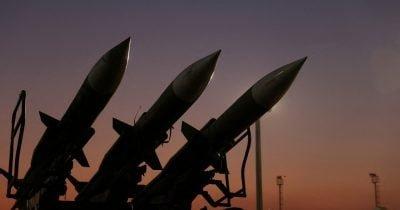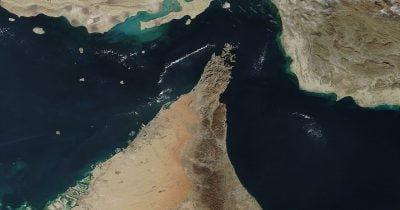
The recent escalation in military tensions between the United States and Iran marks a pivotal moment for geopolitical stability in the Middle East. Following an attack on commercial vessels in the Strait of Hormuz, the U.S. launched military strikes targeting over 80 locations in southern Iran. This coordinated response, in conjunction with Israel, also revealed an Iranian plot to assassinate former U.S. President Donald Trump, further complicating the already fraught landscape.
In retaliation, Iran responded with missile strikes on U.S. military installations in Bahrain and Kuwait, signaling a severe deterioration in diplomatic relations. The implications of these actions extend beyond immediate military confrontations; they threaten the very stability of Iran's leadership. Current market analyses indicate a significant increase in uncertainty regarding the future of Iran's governance system, particularly with regard to Mojtaba Khamenei, who is perceived to be at the helm of the regime.
Market Reactions to Geopolitical Uncertainty
The market for predicting Iran’s leadership status by the end of 2026 has shown notable shifts, with decreased odds for Khamenei's continued leadership. This reflects an estimated 25% decline in the likelihood of stable governance in the face of escalating conflict and intelligence disclosures. The current situation serves as a reminder of how political instability can ripple through financial markets, influencing investor sentiment and strategic decisions.
Market participants are closely monitoring this evolving situation, as any further military actions or diplomatic breakthroughs could significantly impact perceptions of Iran's leadership stability. Key factors to watch include internal power dynamics among Iran's ruling elite and international responses that may alter the regional balance.
Additionally, confirmation of further assassination plots or substantial military escalations could heighten market volatility and lead to a reassessment of Iran's leadership outlook. This situation underscores the intricate connection between military actions, political intelligence, and market perceptions.
This material is informational and not financial advice.