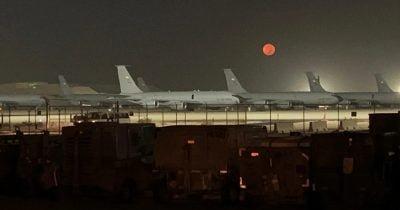
In a significant escalation of regional tensions, Qatar's air defenses successfully intercepted a coordinated attack involving Iranian missiles and drones aimed at the strategically crucial Al Udeid Air Base on April 8, 2026. This incident, part of a series of similar interceptions that began in late March, highlights the ongoing conflict dynamics between Iran and U.S. interests in the Middle East.
The Al Udeid Air Base, located near Doha, serves as a major operational hub for U.S. forces, making it a focal point for Iranian military strategy. By targeting this facility, Iran seems to be sending a clear message about its capabilities and intent to challenge U.S. presence in the region. The successful interception of these threats, utilizing advanced Patriot missile systems and F-15QA fighter jets, demonstrates Qatar's commitment to safeguarding its territory and its role as an ally for U.S. interests.
The Geopolitical Implications
Moreover, the geopolitical landscape complicates Qatar's response to these provocations. Unlike some of its Gulf neighbors, Qatar maintains relatively open relations with Iran, driven partly by shared interests in the North Field gas reservoir. This unique diplomatic positioning may influence Qatar’s strategy as tensions escalate. The statements from Qatari officials reflect a careful balance of asserting military readiness while avoiding provocations that could escalate the situation further.
Consequences for Global Markets
The repercussions of these military engagements extend beyond regional politics and into global commodity markets, especially in the energy sector. Qatar is one of the leading exporters of liquefied natural gas (LNG), and any threats to its operational stability or energy infrastructure could disrupt supply and lead to significant volatility in global energy prices. Investors and market analysts should remain vigilant about the potential fallout from these events, particularly as they could reverberate through the liquidity and pricing structures of energy commodities.
As the situation continues to develop, the interplay between military actions and economic consequences will likely dominate discussions in financial circles. Businesses and investors connected to energy markets must consider the increased risks associated with continuing tensions in the Middle East, particularly as attacks on critical infrastructure could prompt market reactions akin to those seen in the past during crises.
This article is for informational purposes only and should not be considered financial advice.