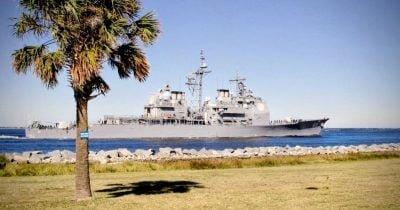
A recent missile attack by Iran on the U.S. Navy Fifth Fleet facility in Bahrain has escalated tensions significantly in the Middle East, marking a turning point in the ongoing conflict that began in February 2026. This incident not only resulted in considerable damage to a vital command center for U.S. naval operations but also raises critical questions about the security of maritime routes essential for global oil supply.
The implications of this attack are profound. The Fifth Fleet plays a crucial role in ensuring the safe passage of oil through the Strait of Hormuz, a strategic chokepoint for global oil trade. With the facility compromised, there is a growing anxiety about potential disruptions in the Bab el-Mandeb Strait, further exacerbated by heightened risks of Houthi actions in the region. Market responses reflect this sentiment, with estimates of disruption likelihood increasing from 12% to 15.5% in just 24 hours.
This attack underscores the vulnerabilities in the regional air defense systems and suggests that the geopolitical landscape may be shifting towards increased hostilities. Observers are likely to keep a close eye on developments related to shipping routes, particularly in light of any announcements from Houthi leaders or changes in U.S. Navy operations. Any further escalation, including confirmation of substantial damage to military facilities, could trigger widespread concerns about maritime security and impact investor sentiment across various sectors, particularly energy.
In this context, the market's perception of risk is crucial. Investors may need to reassess their strategies in light of potential supply chain disruptions, especially in energy markets, where even minor geopolitical events can lead to significant volatility. As this situation unfolds, the broader implications for regional stability and global oil prices will be a focal point for analysis and investor attention.
This content is for informational purposes only and does not constitute financial advice.