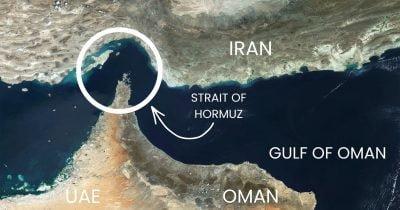
The Strait of Hormuz, a crucial passage for oil shipping, is facing heightened tensions as Iran reportedly places mines among civilian fishing boats. This tactic emerges in the context of the ongoing 2026 Iran War, a conflict that has continued to escalate despite an unstable ceasefire. The significance of this situation extends beyond regional security; it holds potential implications for global energy markets and the broader geopolitical landscape.
Recent actions by the U.S. military, including CENTCOM's release of footage showing missile strikes targeting Iranian assets, indicate an active response to these provocations. Such developments are crucial as they illustrate the intensity of the current confrontations between Iran and the U.S., suggesting that military posturing may continue to play a central role in shaping the dynamics of shipping security in this region.
Market Implications of Iran's Strategy
The deployment of mines in such a strategic location raises concerns among market participants. The potential for successful disruption of shipping lanes can lead to increased oil prices, affecting global markets. The risks associated with navigating through the Strait of Hormuz make traders wary, as any actual incidents could cause significant market fluctuations.
As a response to these developments, market participants are closely monitoring a few key indicators:
- Any confirmed disruptions of shipping in the Strait of Hormuz.
- Continued military operations by CENTCOM against Iranian forces.
- Diplomatic engagements between Oman and Iran regarding navigational regulations.
These factors will likely influence market sentiment and pricing strategies. The potential for escalation remains high, making it paramount for investors to remain vigilant regarding geopolitical developments in the region. The situation underscores the fragile balance between military action and diplomatic resolution, a pivotal element that shapes the operational landscape of oil shipping.
This article serves informational purposes and should not be considered financial advice.