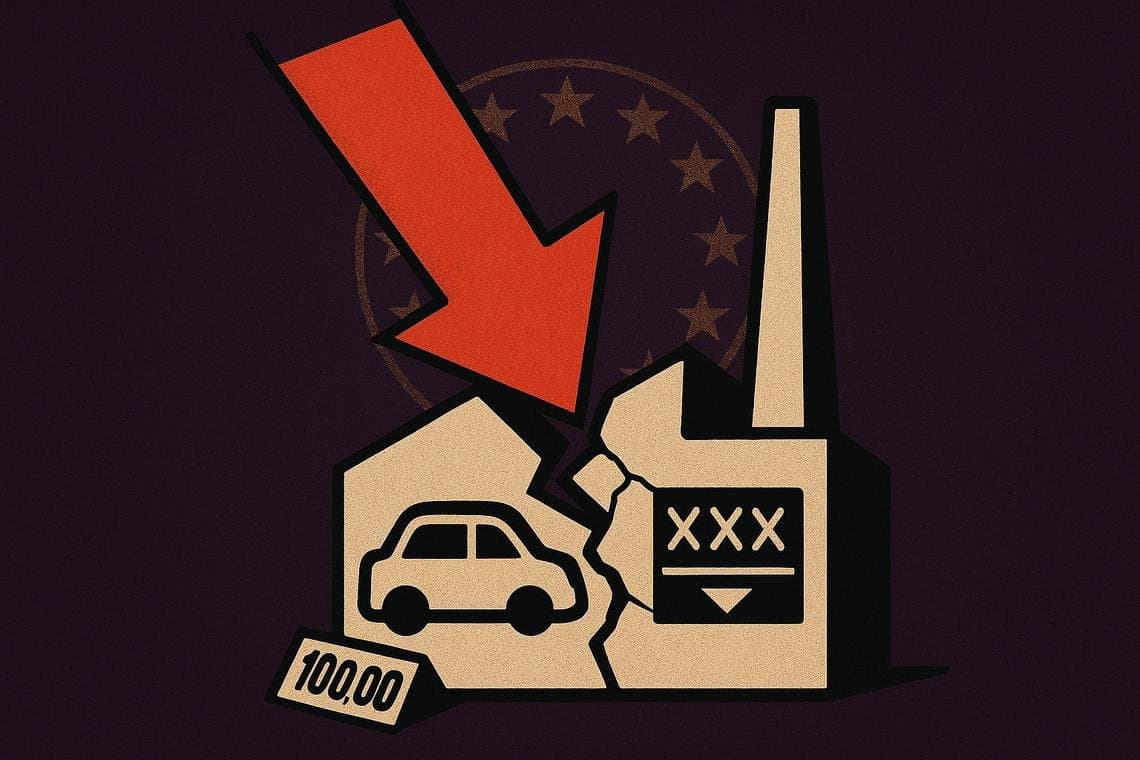
Volkswagen is on the brink of the most significant restructuring in its nearly 90-year history, prompted by a staggering 28% drop in net profit during the first quarter of 2026. The company is reportedly considering job cuts that could affect up to 100,000 positions, effectively doubling the initial estimate of 50,000. This drastic move highlights the challenges facing global automakers as they navigate a complex landscape of reduced demand, particularly in key markets like China and the United States.
CEO Oliver Blume's proposal to expand job cuts underscores a broader trend in the automotive sector, where profitability is increasingly under threat. The decision to reduce Volkswagen’s annual production capacity from a pre-pandemic target of 12 million vehicles to only 9 million illustrates a significant shift in strategy that could have far-reaching implications for the industry. The cuts in production and workforce indicate an urgent response to changing market dynamics, driven by rising material costs and evolving consumer preferences.
Potential Impact on Germany's Industrial Landscape
The proposed closures of four major German factories Hanover, Zwickau, Emden, and the Audi facility in Neckarsulm would dramatically reshape the industrial landscape in Germany. These plants are not just production centers; they are emblematic of Germany's engineering excellence and labor stability. The political ramifications of closing any of these facilities would be substantial, likely causing unrest among labor unions and igniting protests, as seen recently with IG Metall's demonstrations outside the Zwickau plant.
Moreover, German lawmakers have expressed strong opposition to such drastic measures, which could trigger a national debate about the future of manufacturing in the country. The potential for political fallout raises questions about the sustainability of such restructuring efforts. As the largest industrial union in Germany, IG Metall plays a crucial role in shaping labor policy, and their opposition could complicate Volkswagen's plans further.
Market Reactions and Future Outlook
The market response to Volkswagen’s announcements and the broader implications for the automotive sector are yet to be fully realized. While prediction markets currently suggest a 78% probability of no Federal Reserve rate cuts in 2026, significant industrial data, such as that from Volkswagen, could lead to shifts in monetary policy expectations. Investors should closely monitor these developments as they may affect not only Volkswagen’s stock but also the broader automotive market and its suppliers.
In conclusion, Volkswagen's potential job cuts and restructuring signal a critical juncture for the company and the automotive industry at large. As it grapples with declining profits and changing market demands, the decisions made in the coming months will likely define its trajectory for years to come.
This material is for informational purposes only and does not constitute financial advice.