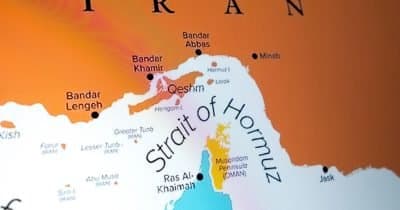
The recent resurgence of military hostilities between the United States and Iran has thrown the global oil market into a state of uncertainty. Following Iran's announcement to close the strategically vital Strait of Hormuz, both nations have engaged in a series of military strikes, breaking a temporary ceasefire that had been in effect since April 2026. This escalation marks a significant turning point in the ongoing Iran War, ignited by intense U.S. and Israeli military actions against Iranian interests.
The Strait of Hormuz is a critical chokepoint for global energy supplies, with roughly a fifth of the world's oil traversing its waters. The recent developments indicate a clear reassertion of Iranian control over this vital route, prompting a robust U.S. military response targeting Iranian military installations. Market analysts are now observing a notable shift in expectations surrounding the normalization of traffic through the strait, which has plunged to a mere 15.5% likelihood by August 31, as indicated by recent pricing models.
With Iran's blockade ongoing, the reallocation of military resources and increased military tensions are reshaping market perceptions of stability in the region. The ramifications of these developments extend beyond immediate military concerns; they are likely to influence oil prices significantly, destabilizing the global market due to fears of prolonged disruptions. Observers should remain vigilant, as any military escalation or Iranian reaffirmation of the strait's closure could further entrench the current market dynamics.
As we look ahead, the U.S.-Iran conflict will be a key determining factor in traffic through the Strait of Hormuz. Diplomatic engagements or military escalations can cause rapid shifts in market sentiments, and any breakthroughs or resolutions could drastically alter pricing trends. In contrast, continued hostilities would likely support the current pessimistic outlook regarding normalization.
This information is intended for informational purposes only and should not be taken as financial advice.