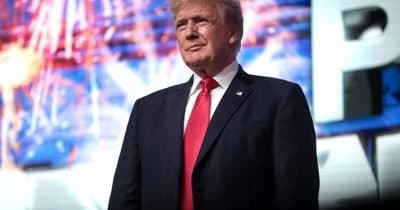
Former President Donald Trump's assertion of an 11-hour meeting with Iranian officials has sent ripples through geopolitical discussions, particularly amidst heightened tensions between the United States and Iran. This announcement raises crucial questions about the state of current diplomatic engagements and the future of U.S.-Iran relations.
Context of the Claim
The backdrop of Trump's claim coincides with a recently ended ceasefire, reflecting the fragile nature of negotiations. While the former president’s statement hints at potential direct dialogue, the reality suggests that any discussions are likely mediated, involving countries such as Qatar and Pakistan. Historically, these negotiations have taken place in neutral locations like Switzerland and Oman, where technical discussions unfold away from the public eye. The assertion of a direct meeting could be interpreted as an attempt to shape public perception and signal an openness to dialogue.
Impact on Market Sentiment
Market observers are closely analyzing this development, interpreting it as an indication of potentially easing tensions. The possibility of direct talks, even if speculative, creates a more optimistic sentiment among investors regarding the geopolitical landscape. Any indication that formal talks may resume could alter market predictions, especially in sectors sensitive to U.S.-Iran relations, such as oil and defense. The closure of the Strait of Hormuz remains a significant concern for global oil markets, making the need for dialogue more pressing.
Future Implications
The implications of Trump’s announcement could reverberate well beyond immediate market reactions. A shift towards direct negotiations could redefine the power dynamics in the region, impacting both U.S. foreign policy and Iran’s domestic stability. Observers will be vigilant for further statements from mediators or direct confirmations from involved parties, as these could provide insights into the future trajectory of these talks. Furthermore, any change in military or diplomatic strategies from either side could lead to renewed tensions or, conversely, pave the way for a more stable engagement.
This article is for informational purposes only and should not be considered financial advice.