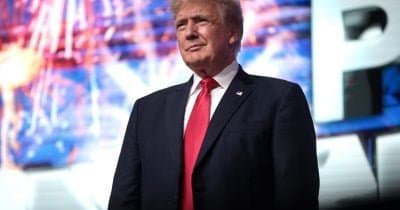
In a recent series of remarks, former President Donald Trump voiced strong skepticism regarding Iran's prospects of rebuilding its military and economic infrastructure, stating that the nation has "no chance" of succeeding amidst ongoing geopolitical tensions. This assertion surfaced in the wake of the 2026 Iran War, where U.S.-Israeli airstrikes aimed at countering Iran's nuclear program escalated the conflict.
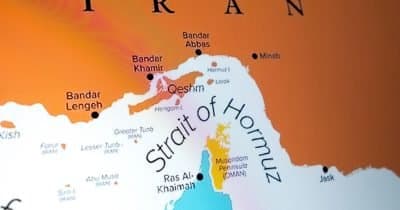
Trump's comments come after a ceasefire was established in June, which sought to de-escalate hostilities and reopened the strategically vital Strait of Hormuz. This location plays a crucial role in global oil shipments, and Trump's mention of possible U.S. control over this chokepoint signals potential shifts in U.S. foreign policy aimed at not just military control but also the financial dynamics of the region.
Context of the Statements
The geopolitical landscape surrounding the U.S.-Iran relationship has been complex, marked by fluctuating negotiations and military actions. Trump's recent statements reflect a broader market sentiment, which indicates a diminished confidence in the possibility of a comprehensive U.S.-Iran deal that includes funding for reconstruction efforts in Iran. Analysts have noted a significant decline in the perceived likelihood of international support for Iran under the current administration's policies, as market data suggests skepticism surrounding Iran’s ability to secure necessary financing.
Market participants are weighing the implications of Trump's declarations. The potential U.S. control over the Strait of Hormuz could alter regional stability perceptions, further complicating Iran's economic recovery prospects should the conflict continue to fester. This sentiment is capturing the attention of investors closely monitoring oil prices and geopolitical developments.
Market and Global Reactions
The broader impact of Trump's remarks extends beyond Iran’s borders, affecting various markets and stakeholders. Current pricing trends are aligning with the prevailing doubts about Iran's capacity to regain access to reconstruction funds by the time a new U.S.-Iran deal could emerge in 2026. Observers are particularly keen on how Iranian authorities will respond, as their reactions might either alleviate or intensify market concerns about the feasibility of any reconstruction deal.
Moreover, as negotiations evolve, interactions with mediating countries such as Qatar and Pakistan will play pivotal roles in shaping the outcome of diplomatic efforts. Investors will likely remain vigilant about potential shifts in U.S. policy regarding the Strait of Hormuz, as any significant changes could further influence market dynamics in the oil sector and broader geopolitical relationships.
This material is for informational purposes only and should not be considered financial advice.