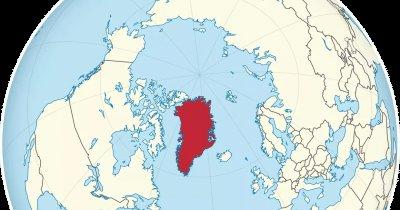
The recent push by U.S. President Donald Trump for American control over Greenland marks a significant escalation in diplomatic tensions with Denmark. This move not only reflects a hardening stance towards European allies but also indicates a potential realignment of U.S. foreign policy in the Arctic region. Trump's renewed interest in Greenland, which has historically been framed around military access rather than outright control, raises questions about the strategic intentions of the U.S. in a geopolitically sensitive area.
Why This Development Matters
This development is critically important for both international diplomacy and market sentiment. The U.S. acquisition of Greenland could alter power dynamics in the Arctic, a region rich in natural resources and strategic military positioning. The following key points summarize the potential implications:
- The U.S. president's call suggests a shift towards more aggressive tactics in influencing Greenland’s governance.
- Market analysts are increasingly pricing in the possibility of U.S. acquisition or greater influence, reflecting an evolving perspective on U.S.-Denmark relations.
- Denmark and Greenland's firm rejection of any U.S. sovereignty claims presents a significant barrier, yet market confidence seems to persist in scenarios favoring U.S. involvement.
The ongoing rejection from Denmark and Greenland indicates that any U.S. aspirations to assert control may face substantial resistance. Yet, the political rhetoric surrounding this issue could impact investor sentiment and market pricing in related sectors.
Looking Ahead: What to Watch
The coming weeks will be crucial as responses from Danish and Greenlandic officials are expected. Observers will be keenly watching for any shifts in public sentiment or new diplomatic dialogues that might emerge. Additionally, statements from NATO Secretary General Mark Rutte could provide more insights into how this issue might play out in terms of collective defense and international collaboration.
Potential developments in U.S. policy, particularly regarding legislative actions or formal diplomatic communications, could serve as key indicators of the administration’s intentions toward Greenland. Investors should remain vigilant as this situation evolves, given its possible implications for both regional stability and broader market dynamics.
This material is for informational purposes only and does not constitute financial advice.