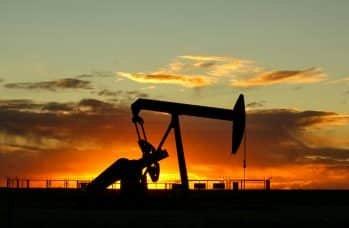
The recent military actions by the United States against Iran have intensified geopolitical tensions, particularly in the crucial Strait of Hormuz, leading to a notable increase in oil prices. U.S. crude futures climbed 0.91%, reaching $89.00 per barrel, while Brent crude saw a 1.03% rise to $92.39. These developments are anticipated to have significant repercussions on global oil markets and investor sentiment.
Why This Matters for Investors and the Market
The uptick in oil prices is reflective of growing geopolitical risks, particularly in light of a recent incident involving the downing of an Apache helicopter. Investors must recognize that such conflicts often lead to increased volatility in oil prices due to market sensitivities to supply disruption fears.
- U.S. crude prices have risen to $89.00 per barrel.
- Brent crude is now priced at $92.39 per barrel.
- Market prediction sees a 4.5% chance for new highs by September and 10.5% by December.
This environment establishes a probable 'geopolitical risk premium' embedded in oil pricing. The increase not only affects consumers but also signals a possible shift in inflation expectations and economic forecasts, as oil is a fundamental component of global trade and transportation costs.
Future Monitoring and Market Implications
Observers should remain vigilant regarding further military escalations in the Strait of Hormuz, as any new incidents could dramatically influence oil prices and market forecasts. Key players, including OPEC and U.S. policymakers, will play crucial roles in either mitigating or exacerbating these tensions through their decisions, impacting future pricing strategies significantly. With the possibility of continued instability in the region, analysts are advised to keep a close watch on the factors influencing supply and demand dynamics for crude oil.
This material is for informational purposes only and is not financial advice.