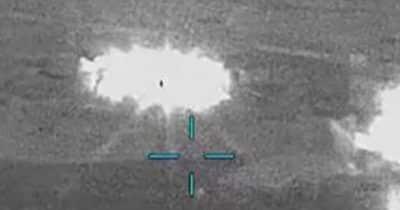
The recent escalation of military strikes by the US Central Command, targeting over 80 sites in Iran, has sent shockwaves through the digital asset markets. Announced on July 7, 2026, the offensive is a direct response to escalating Iranian attacks on commercial vessels in the volatile Strait of Hormuz. This series of events is critical for investors to monitor, as it intertwines geopolitical tensions with the cryptocurrency market's performance.
Why This Develops Matters for Investors
The implications of these military strikes stretch far beyond immediate conflict. Investors in cryptocurrencies, particularly Bitcoin, may recall the market's behavior during previous conflicts. The correlation between military actions and sharp declines in Bitcoin price has been evident in prior instances:
- In May 2026, Bitcoin dropped below $73,000, triggering $1 billion in liquidations of leveraged long positions.
- Following additional strikes, Bitcoin further slid towards the $63,000 range, resulting in further multi-million dollar liquidations.
- The ongoing military campaign has seen continuous strikes since March 2026, establishing a pattern that suggests volatility may persist.
The relationship between Bitcoin and traditional risk assets complicates the narrative around its status as digital gold. Despite its reputation, Bitcoin has often behaved as a high-risk asset during unstable events, losing value alongside equities rather than rising like gold in times of uncertainty.
Geopolitical Context and Market Implications
Particularly concerning is the conflict's location, the Strait of Hormuz, a crucial artery for global oil shipments. Disruption of oil flows could lead to rising energy prices, directly impacting Bitcoin miners who rely on affordable energy for their operations. Increased mining costs may reduce the profitability of Bitcoin mining, further influencing the cryptocurrency's market dynamics.
Future Observations for Cryptocurrency Investors
Moving forward, crypto market participants should remain vigilant about the potential for broader conflict. The scale of operations seen in the latest strikes indicates a significant escalation, raising the stakes for the entire region. Key indicators for investors to watch include:
- Funding rates and open interest on major derivatives platforms, which signal market sentiment and positioning.
- Leverage in long positions, as high borrowing can inflate losses during downturns driven by geopolitical tensions.
Given the ongoing nature of these strikes across several months, the assumption must be that this is not a short-term issue. Continued geopolitical instability could spell prolonged volatility in the cryptocurrency markets.
This article is for informational purposes only and is not financial advice.