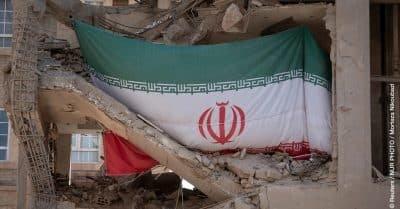
The recent escalation in military rhetoric from Iran’s top command, which warns of a "crushing response" to U.S. attacks, is raising significant alarm at both geopolitical and economic levels. As the 2026 Iran War intensifies, the implications of such threats could reverberate through the financial markets, particularly given the fragile ceasefire established last month.
Why This Matters for Investors and the Global Market
The likelihood of U.S. military intervention in Iran has seen a notable uptick, with market analysts now estimating a 14.5% chance of this occurring before 2027. This represents an increase from 12% just a day before, pointing to growing anxiety regarding U.S.-Iran relations.
- Iran’s military response heightens the risk of conflict escalation.
- The probability of U.S. troops entering Iran has risen significantly.
- Market sentiment reflects concerns over prolonged military engagements.
These dynamics may affect not only local markets but also global energy prices and security outlooks in other regions. Deteriorating U.S.-Iran relations and potential military actions could lead to major shifts in energy supply, impacting everything from oil prices to investor confidence.
What to Watch for Next
In the coming weeks, it will be crucial to keep an eye on further military communications from both nations, particularly regarding troop movements or new military initiatives. Additionally, developments in ceasefire negotiations and U.S. congressional discussions surrounding military engagement powers will be critical indicators of where this evolving situation may lead. Observers should be alert for fluctuations in markets as new information becomes available, reflecting the precariousness of the geopolitical landscape.
This material is for informational purposes only and does not constitute financial advice.