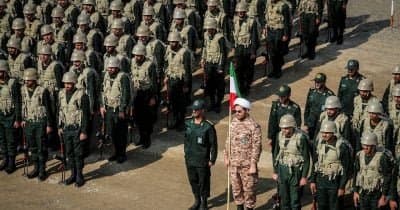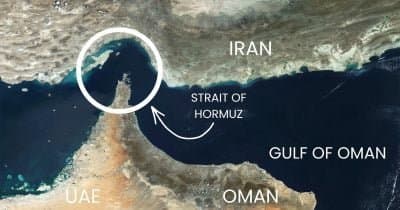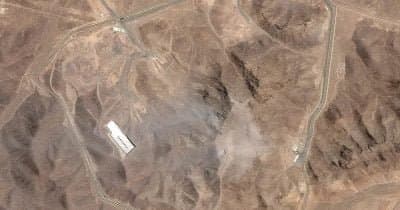
The recent U.S. military strike on an anti-aircraft missile base east of Bushehr, Iran, marks a significant escalation in the ongoing tensions between the U.S. and Iran. This location, notably near Iran's only nuclear power plant, underscores a strategic effort by the U.S. to diminish Iran's air defense capabilities, particularly around sensitive nuclear infrastructure.
This action is part of a greater military narrative that has unfolded through 2026, where confrontations and counteractions have become commonplace. The implications of this strike extend beyond military tactics; they reflect a growing instability in the region that could see heightened retaliatory threats from Iran against Gulf states.
The potential for Iranian retaliation raises urgent questions for investors and geopolitical analysts alike. Market responses already indicate an increased perception of risk, which could potentially impact oil prices and global supply chains, as seen in past incidents where U.S.-Iran tensions have led to market fluctuations. A potential escalation, especially against Gulf states, could further destabilize oil supply routes that are critical to global markets.
Analysts are closely monitoring statements from Iranian leadership, including President Ebrahim Raisi and Supreme Leader Ali Khamenei, for clues about Iran's potential military responses. The involvement of regional powers like Qatar or Oman could also play a crucial role in either mitigating or exacerbating tensions.
Overall, this incident signifies not just a tactical military move but highlights the fragility of regional stability and the complex interplay of military actions and economic consequences, particularly in global oil markets. As this situation unfolds, stakeholders across the geopolitical spectrum will need to remain vigilant to navigate the shifting landscape.
This material is informational and should not be construed as financial advice.