The Iranian Revolutionary Guard Corps (IRGC) recently announced the destruction of military infrastructure in Oman and Bahrain, a move that could have profound implications for the geopolitical landscape in the Middle East. These claims highlight a troubling escalation in the ongoing tensions involving Iran, particularly in relation to U.S. defense networks in the region.
According to the IRGC, their strikes have specifically targeted radar systems and other military facilities, aimed at disrupting early-warning capabilities associated with U.S. forces. The broader context of these actions suggests that Iran is keen on expanding its military reach beyond Israel, focusing increasingly on Gulf Cooperation Council (GCC) states like Oman and Bahrain, which have traditionally been less involved in hostilities.
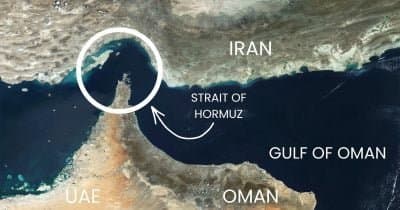
This escalation falls in line with previous incidents where Iranian forces have successfully targeted shipping in the Gulf, increasing the perceived risks to maritime operations. Observers are understandably concerned as such a pattern not only threatens regional stability but also impacts global shipping lanes crucial for oil and trade.
As the situation evolves, key indicators will likely include independent verification of the damage reported by the IRGC, potential reactions from the Gulf states, and shifts in U.S. military posturing. Each of these factors could significantly influence market expectations about stability in the region and the safety of vital trade routes.
In particular, if the reports of destruction are confirmed, it may lead to escalated military responses from affected states or adjustments in U.S. military strategy, involving a focus on defense readiness in the Gulf. Investors and market analysts should monitor these developments closely, as they could have far-reaching consequences for energy prices and geopolitical risk assessments.
For those tracking the complexities of the Iran conflict, these developments are reminiscent of earlier articles discussing how Iran's activities in the Strait of Hormuz might affect global markets here, as well as previous tensions indicated by missile exchanges across the region here.
This article is for informational purposes only and should not be considered financial advice.