The DAX is expected to face a downward opening as investors brace for potential fallout from the escalating conflict involving Iran, Israel, and the United States. This unrest, which has been ongoing since February 2026, has already begun to disrupt significant economic sectors, particularly oil supply and aviation.
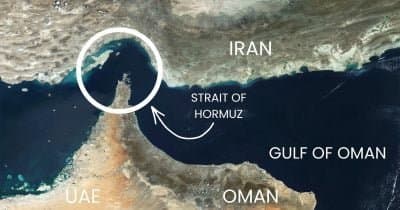
The Strait of Hormuz, a vital shipping route, has been at the center of attention, with Iran's actions being closely scrutinized by prediction markets. Currently, the probability of Iran implementing transit fees by July 15 stands at a mere 3%. However, market participants foresee an increase in the likelihood of these fees being charged, with expectations rising to 42.5% by August 31 and 57.5% by October 31. This shift suggests that investors are bracing for potential catalysts that could emerge in the coming months, indicating a cautious optimism or apprehension about the geopolitical landscape.
Impact on the Aviation Sector
The aviation industry is feeling the strain from the ongoing conflict, evidenced by the cancellation of more than 18,000 flights across the Middle East and the shutdown of major hubs like Dubai. The economic consequences of these cancellations are profound, leading to soaring ticket prices and the looming threat of airline insolvencies. These factors contribute to the prevailing uncertainty surrounding the DAX and the broader European markets.
What Investors Should Monitor
As the situation evolves, investors should remain vigilant regarding announcements from Iranian authorities and international stakeholders concerning the Strait of Hormuz. Any official communications from the Iranian Revolutionary Guard Corps or legislative actions in Iran could drastically influence market expectations regarding fee collection. Additionally, the progress of ceasefire negotiations will play a crucial role in shaping future market movements. The interplay between geopolitical tensions and economic realities will likely continue to create volatility in markets.
- Current likelihood of Iran charging Hormuz fees by July 15: 3%
- Increased probability of fee implementation by August 31: 42.5%
- Likelihood rises to 57.5% by October 31
This material is informational and should not be considered financial advice.