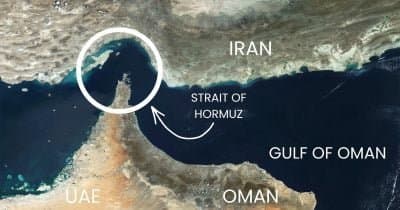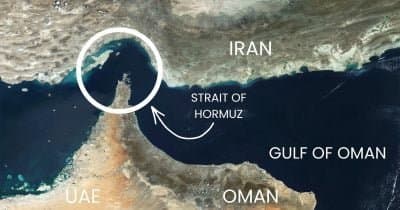
In a significant turn of events, oil prices have surged by 4% in Asian markets, reflecting the growing tensions between the United States and Iran. This uptick can be attributed to recent military strikes by the U.S. on Iranian targets followed by Iran's decision to close the Strait of Hormuz, a critical chokepoint for global oil transit.
The price of Brent Crude has now reached $79 per barrel, marking the highest level in over three weeks. This price movement is indicative of mounting concerns among market participants regarding potential disruptions to oil supply. The Strait of Hormuz accounts for a substantial portion of the world's oil shipments, and its closure raises alarm bells about future supply stability.
Market Implications
The market's reaction underscores the heightened risk premiums associated with oil prices in response to geopolitical instability. Investors are clearly factoring in the possibility of extended conflict and the subsequent impact on oil supply dynamics. The 4% price increase illustrates the immediate market sensitivity to news surrounding U.S.-Iran relations.
Going forward, it is crucial for stakeholders to monitor developments closely. Announcements from key geopolitical players, including the U.S. White House and Iranian leadership, will be critical in determining whether tensions will de-escalate or escalate further. Additionally, the response from OPEC+ regarding production levels will significantly shape market dynamics. Any signals regarding the reopening of the Strait of Hormuz or prolonged closure will serve as key indicators for oil price movements in the weeks to come.
This material is for informational purposes only and does not constitute financial advice.