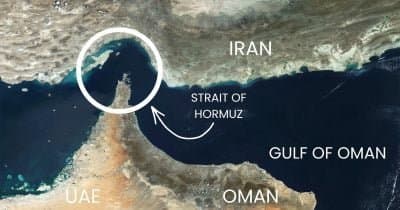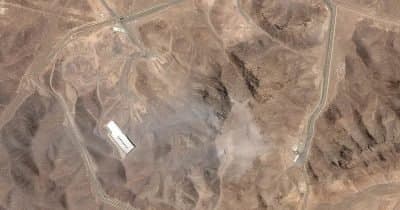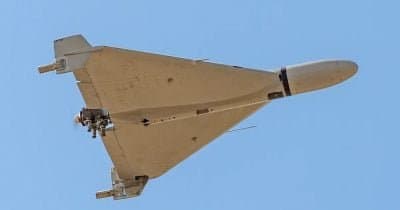
The recent observation of an Iranian drone in Basra, Iraq, with potential intentions to head towards Kuwait, marks a significant escalation in the ongoing tensions within the Gulf region. This incident occurs against the backdrop of Operation Epic Fury, a military campaign involving the United States and Israel targeting Iranian operations. Such developments not only underline the volatile nature of Middle Eastern geopolitics but also indicate Iran's persistent strategy of retaliating against perceived threats from U.S. military actions.
Context of the Drone Activity
Iran has consistently employed drone warfare as part of its asymmetric military capabilities, seeking to project power in the region while maintaining plausible deniability. The drone spotted in Basra raises alarms about Tehran's intentions to enhance its military reach across Gulf states, particularly in light of the ongoing conflict characterized by Iran's retaliatory strikes against U.S. interests. The presence of the drone appears to be a calculated move within a broader strategy to assert dominance in the area, further complicating the already delicate regional balance.
Market Implications
The implications of this drone sighting extend beyond military considerations to economic factors, particularly in oil markets. Observers note a substantial increase in market pricing probabilities, with estimates as high as 65.5% for potential Iranian military action against Gulf states. Such fluctuations signal heightened investor anxiety over potential disruptions in oil supply and geopolitical stability, which are critical factors for global markets. The increased likelihood of conflict could lead to rapid price volatility in energy markets, prompting investors to re-evaluate their strategies in anticipation of further escalations.
Potential Consequences and Future Monitoring
Looking ahead, the trajectory of Iranian military operations will be pivotal in determining the course of regional stability. Analysts recommend vigilant monitoring of Iranian drone movements and military activities, particularly concerning Kuwait and its neighbors. Key regional players, including Iran's military leadership and Gulf state responses, will play a crucial role in either exacerbating tensions or fostering avenues for de-escalation. Diplomatic efforts, ceasefire discussions, and statements from involved nations will also significantly influence market dynamics and geopolitical conditions. Investors should brace for potential shifts in strategy, as the situation continues to evolve.
This article is informational and does not constitute financial advice.