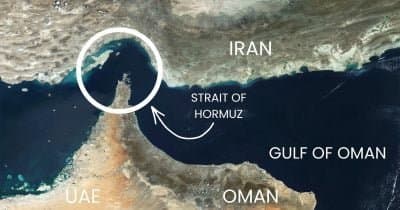
The geopolitical landscape surrounding the Strait of Hormuz has become increasingly complex, particularly as Iran's focus on controlling this vital maritime passage intensifies. Recent reports indicate that Iran is willing to sacrifice potential sanctions relief, initially promised by the Trump administration, in favor of asserting dominance over this critical chokepoint for global oil transportation.
This strategic decision comes during the ongoing 2026 Strait of Hormuz crisis, where Iran's maritime strategy plays a significant role in its broader geopolitical maneuvering against U.S. influence. The strait, essential for the transit of a significant portion of the world’s oil, remains largely obstructed, with Iran leveraging its geographical position to exert pressure on international maritime traffic.
Implications for Market Dynamics
The market's behavior reflects a notable decline in confidence regarding the normalization of traffic through the Strait of Hormuz. Observations suggest that the continuing blockade and heightened military tensions indicate a bleak outlook for maritime traffic resumption, with expectations of aggressive Iranian actions growing.
Investors should be acutely aware of the potential consequences of Iran's strategic choices. The likelihood of traffic normalization by the end of August appears increasingly remote, and market adjustments suggest a significant drop in anticipated commitments from Iran to refrain from hostile actions against shipping vessels.
Future Developments to Monitor
As the situation unfolds, markets will be vigilant regarding diplomatic developments or military escalations that could influence the dynamics in the Strait of Hormuz. Key indicators to watch include any potential peace agreements or shifts in military posture that might signal a willingness to reopen the strait. Furthermore, official communications from both Iran and the U.S. concerning their intentions in this region will be critical in shaping market expectations moving forward.
The current state of affairs indicates that any shifts in the geopolitical landscape could have significant repercussions for global oil supply and pricing, ultimately affecting investors across various sectors. The intertwining of military strategy and economic sanctions makes this a pivotal moment for stakeholders in the energy markets.
This material is for informational purposes only and should not be considered financial advice.