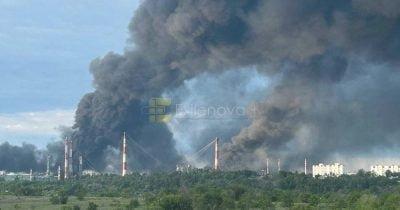
Recent military escalations targeting Iran's Qeshm Island, strategically located near the Strait of Hormuz, have once again underscored the complexity of geopolitical dynamics affecting global assets. On Sunday, July 12, 2026, Iran's state news agency reported missile strikes against this vital island, a location that plays a crucial role in controlling one of the world’s most significant oil shipping lanes.
The significance of Qeshm Island cannot be overstated, as it harbors essential military facilities of the Islamic Revolutionary Guard Corps, including anti-ship missiles and drones. This area has seen previous military actions, particularly by the US Central Command, in response to Iranian threats against navigation security in the Persian Gulf. The escalated military activities, including Iranian missile strikes targeting regional allies like Kuwait and Bahrain, typically evoke heightened volatility across risk assets, including cryptocurrencies.
The Crypto Market's Remarkable Indifference
In a surprising turn of events, the crypto markets have remained largely unaffected by these developments. Despite the historical precedent where geopolitical tensions generally lead to market fluctuations, there has been no substantial shift in major crypto tokens, no emergency analyst reports, and no indication of increased trading volume on major exchanges. This lack of reaction raises questions about investor sentiment and the current role of cryptocurrencies as safe-haven assets.
Potential Consequences for Miners and Stablecoin Demand
However, it is essential for Bitcoin miners and crypto investors to remain vigilant. The costs associated with energy consumption are directly correlated with mining profitability; thus, if the military conflict results in a sustained increase in oil prices, electricity costs could follow suit. This scenario could significantly impact mining operations, especially in energy-dependent regions.
Moreover, periods of geopolitical uncertainty in the Middle East have previously triggered a spike in demand for dollar-denominated stablecoins, as local populations aim to retain their purchasing power amidst domestic banking limitations. Should this conflict escalate, it is prudent to monitor stablecoin volumes on exchanges catering to Middle Eastern and South Asian markets, as this could signal broader market implications as well.
This material is intended for informational purposes only and should not be considered financial advice.