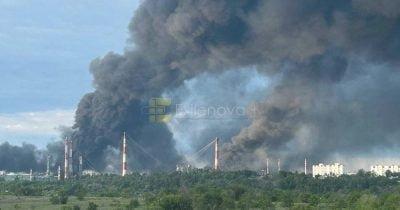
In a significant escalation of its operational strategy, Ukraine has launched drone strikes against the Syzran oil refinery in Russia's Samara region, along with targeting vessels in the Sea of Azov on July 11-12. This bold maneuver not only sets new precedents in Ukraine's military objectives but also threatens to disrupt a vital component of Russia's energy supply chain.
A Strategic Blow to Russian Energy
The Syzran refinery, owned by state-controlled Rosneft, has an annual processing capacity of between 7 and 8.9 million tons of crude oil, making it a critical node in the country's energy infrastructure. The destruction at this facility is critical as it compounds existing maintenance backlogs and logistical challenges. Repeated attacks on such installations create a pattern of operational uncertainty within Russia's energy sector.
Furthermore, Ukrainian forces have reported damaging multiple tankers in the Sea of Azov, each carrying around 7,000 tons of fuel. By targeting both production facilities and transport vessels, Ukraine is applying pressure on Russia's capacity to deliver fuel, which is vital for sustaining its operations in Crimea and other occupied territories. This dual approach could indicate a calculated strategy to sever supply chains at essential points.
Implications for Markets and Investors
For investors focused on energy, these developments suggest that Ukraine is both capable and intent on maintaining pressure on Russian refining capacities. The ongoing operations are not just isolated incidents; they signify a ramp-up in Ukraine's military effectiveness concerning energy infrastructure. Companies engaged in refining Russian crude or operating in or near the Black Sea and Sea of Azov corridors are now facing heightened risk premiums compared to peacetime operating conditions.
For those watching the energy markets closely, this situation introduces substantial uncertainty. Investors should prepare for potential fluctuations in crude oil prices and consider the implications of maintenance delays and supply chain disruptions stemming from these strikes.
This material is informational and not financial advice.