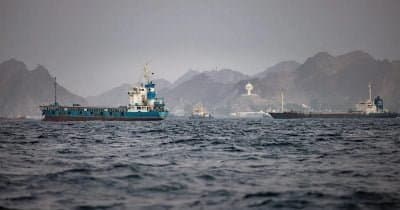
The recent closure of the Strait of Hormuz by Iran's Islamic Revolutionary Guard Corps (IRGC) has sparked significant shifts in maritime traffic and global oil prices. With ship crossings plummeting by over 50% since July 12, the implications for the oil market and geopolitical dynamics in the region cannot be overstated.
Impact on Global Oil Prices
As one of the world's vital chokepoints for oil transit, the Strait of Hormuz handles a staggering 20% of global oil exports. The enforcement of Iranian-preferred maritime routes amid heightened tensions with the United States could disrupt supply chains, causing oil prices to surge above $90 per barrel. This sharp rise is indicative of market fears surrounding the implications of decreased transit through the strait.
Market analysts have taken notice, with a notable shift in prediction markets reflecting increased apprehension. The probability of fewer than 150 ships transiting the strait between July 6 and July 12 is now priced at 77% YES. This marks a downturn from 84% just 24 hours earlier, highlighting the evolving sentiment in the market and the investors' reaction to escalating geopolitical risks.
Geopolitical Context and Future Considerations
The closure signals Iran's strategic assertiveness over its maritime domain and complicates diplomatic relations further. As countries around the world closely watch these developments, any military or diplomatic maneuvers from the US could drastically influence market perceptions and the operational status of the strait. Potential scenarios that observers should keep an eye on include:
- US military responses to Iranian actions
- Increased activity by the IRGC
- Any diplomatic negotiations aimed at easing tensions
With the situation remaining fluid, a shift towards reopening the strait could alleviate current pressures on oil prices, while continued restrictions could maintain or exacerbate existing market dynamics.
This material is informational and should not be considered financial advice.