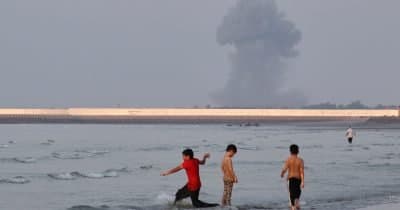
The recent attack on the Cyprus-flagged GFS Galaxy off the coast of Oman, resulting in the disappearance of an Indian sailor and the rescue of ten others, has raised significant concerns regarding maritime security in a volatile region. This incident is part of a worrying trend of increased hostilities in the Strait of Hormuz, marking the fourth assault on commercial vessels by Iran's Islamic Revolutionary Guard Corps in a matter of weeks.
The Geopolitical Landscape
This escalation comes amid the deterioration of the ceasefire between the United States and Iran, and reflects the broader geopolitical conflict enveloping both nations. As evidenced by the U.S. military's retaliatory strikes against Iranian targets, a cycle of aggression seems to be deeply rooted in regional politics. The Strait of Hormuz, a crucial chokepoint through which approximately 20% of the world’s oil trade passes, has become increasingly perilous, with Iran asserting control over navigation through threats of closure to foreign military intervention.
Implications for Maritime Operations
Market participants are already reacting to the heightened threat level, particularly concerning the adjacent Bab el-Mandeb Strait. Anticipation of potential closures or disruptions has led to a marked increase in pricing on prediction markets, indicating a growing anxiety among traders regarding the security of these vital maritime routes. If tensions continue to escalate, there could be far-reaching consequences for global oil supplies and shipping cost structures.
The immediate human toll of this conflict is underscored by the plight of the crew of the GFS Galaxy. The rescue operation highlights not only the risks faced by those working in volatile waters but also the broader impact of geopolitical tensions on individuals and their families. As the region faces uncertainty, the potential for further incidents looms large.
What Lies Ahead
Moving forward, key developments to watch include any actions taken by Iranian forces or the Houthis that could disrupt nearby maritime activities, as well as the responses from international military coalitions like the U.S. Fifth Fleet. Further announcements from influential regional authorities could significantly influence market perceptions and pricing strategies related to maritime risk.
With the situation rapidly evolving, the oil markets and maritime security landscapes may soon face unprecedented shifts. Stakeholders should remain vigilant and prepared for the implications of potential escalations in hostilities, including their effects on pricing and supply stability.
This article is for informational purposes only and does not constitute financial advice.