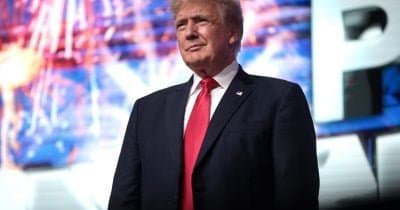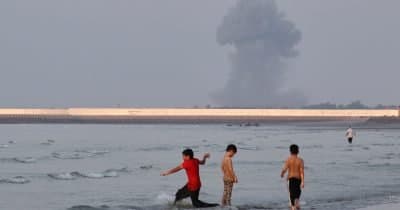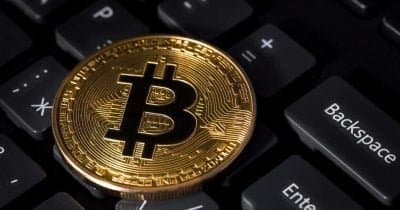
Recent military escalations between the United States and Iran have put significant downward pressure on Bitcoin, even as demand for exchange-traded funds (ETFs) remains high. The catalyst for this active conflict was Iranian strikes on commercial oil vessels in the Strait of Hormuz, which prompted the U.S. to retaliate with airstrikes on over 170 Iranian military positions. This has effectively shattered the fragile ceasefire that had been in place since June, with President Donald Trump declaring the cessation of hostilities as officially over.
The implications of this renewed conflict extend beyond immediate geopolitical concerns; they resonate deeply with cryptocurrency markets. Bitcoin has often been perceived as a safe haven asset during times of turmoil, but the current risk-off sentiment highlighted by negative price trends suggests a shift in investor psychology. This skepticism is further compounded by diminishing optimism surrounding a potential U.S.-Iran deal slated for 2026, which would include provisions for Iranian reconstruction funding. Market indicators reflect a decline in probabilities for such agreements, suggesting that investors are increasingly wary of future stability in the region.
Moreover, the closure of the Strait of Hormuz and its critical importance for global oil transport adds another layer of complexity. A sustained military presence and active hostilities in this chokepoint could lead to greater volatility not just in traditional markets, but also in emerging ones like cryptocurrencies. The strong demand for Bitcoin ETFs, despite the price drop, indicates that investors may be positioning themselves for long-term benefits, trusting that the asset's value will eventually recover.
Monitoring Future Developments
As the situation unfolds, market participants are encouraged to keep a close eye on any diplomatic efforts, particularly through mediation by nations such as Qatar and Switzerland. Key figures in the negotiations, including U.S. Chief Negotiator Mike Vance and Iranian Foreign Minister Javad Zarif, will play essential roles in shaping the narrative of potential peace or further conflict. Changes in military strategy or new diplomatic overtures could significantly influence market sentiment and pricing trends, highlighting the importance of adapting strategies based on current events.
This material is informational and not financial advice.