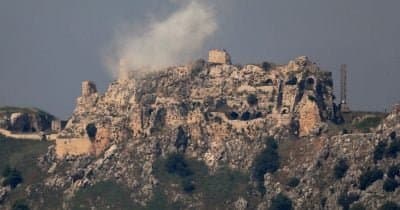
Recent events involving the Israeli Defense Forces (IDF) have brought renewed focus to the ongoing military tensions in the region, particularly around the Beaufort Castle in southern Lebanon. Israel has publicly released footage that allegedly shows a network of tunnels beneath this historic site, which according to the IDF, are utilized by Hezbollah to support its military operations. This revelation is significant as it highlights not only Hezbollah's strategic maneuvers but also the persistent volatility that characterizes the Israeli-Lebanese border.
The unveiling of these tunnels coincides with a period of fluctuating tensions and intermittent skirmishes, despite a nominal ceasefire that was agreed upon earlier this year. The existence of these tunnels suggests that Hezbollah is actively working to preserve its military foothold near Israeli territory, which could have far-reaching implications for the stability of the region.
Implications for Peace and Military Strategy
Market responses to the ongoing conflict indicate a generally pessimistic outlook regarding an imminent Israeli withdrawal from southern Lebanon. As security analysts have noted, the probability of such a withdrawal occurring by the end of July stands at a mere 2.2%. This low probability reflects the broader implications of current hostilities and suggests that Israeli military operations may not only continue but potentially escalate.
- Ongoing military operations reduce the likelihood of Israeli withdrawal.
- Diplomatic efforts may struggle to facilitate a peace deal between Israel and Hezbollah.
- Market perceptions are heavily influenced by troop movements and operational communications from the Israeli government.
As observers keep a close watch on official announcements from Israeli authorities regarding troop movements, any significant changes in this landscape could influence market dynamics and investor sentiment. The potential for escalation remains high, especially if Hezbollah responds to Israeli military objectives in a manner that could provoke further conflict.
Moreover, the geopolitical context, including the role of U.S. mediation and UN resolutions, could shape the future landscape of diplomacy in the region. As outlined in articles like What Iran's Military Escalation Means for Regional Geopolitics, such developments could alter the balance of power and impact market stability.
This material is informational and does not constitute financial advice.