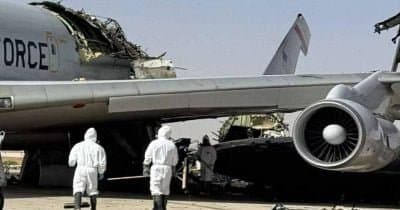
The recent redeployment of the E-3G AWACS radar plane to Prince Sultan Air Base marks a significant shift in the U.S. military posture in the Persian Gulf. This strategic move comes in the wake of heightened tensions with Iran, especially following the destruction of a similar aircraft in March 2026 by an Iranian missile strike. Such actions indicate a deepening crisis, underscoring the volatility of the region and the complex nature of U.S.-Iranian relations.
Contextualizing the Current Military Landscape
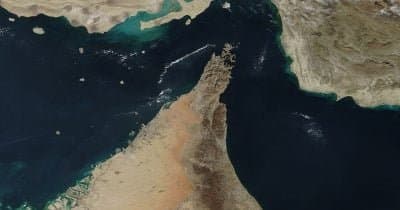
The decision to redeploy air assets reflects Washington’s commitment to maintaining operational readiness in a region that has seen increased Iranian military activity. The Strait of Hormuz, a critical maritime route for global oil shipments, has witnessed threats from Iran, suggesting that the U.S. is preemptively strengthening its defensive and offensive capabilities. Additionally, the historical context of diplomatic relations between the U.S. and Saudi Arabia adds another layer of complexity to this situation, as the kingdom had previously limited U.S. access to its military infrastructures.
Implications for Regional Stability and Market Dynamics
This military redeployment is not merely a show of force; it carries substantial implications for regional stability and investor sentiment. Market analysts are already adjusting their expectations based on the increased likelihood of Iranian military actions against Gulf states. The potential for conflict could lead to spikes in oil prices and fluctuations in stock markets, particularly those tied to energy sectors. Investors should remain vigilant as any escalations could significantly shift market dynamics.
Furthermore, observers will closely watch how Iran responds to this redeployment. Any aggressive maneuvers could further destabilize the region and prompt additional military responses from the U.S. and its allies. The fluid situation suggests that the balance of power in the Middle East is precarious, and changes in diplomatic relations could have far-reaching consequences for regional and global markets.
In conclusion, the redeployment of the E-3G AWACS represents a crucial development in U.S. military strategy in the Middle East, illustrating the ongoing tensions with Iran and the complexities of international relations in this volatile area. As the situation evolves, both investors and policymakers must remain alert to the potential ramifications of military actions and diplomatic negotiations.
This article is for informational purposes only and does not constitute financial advice.