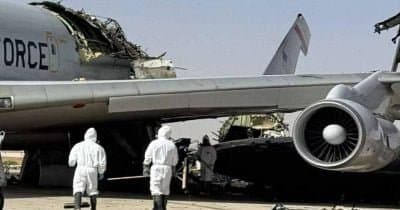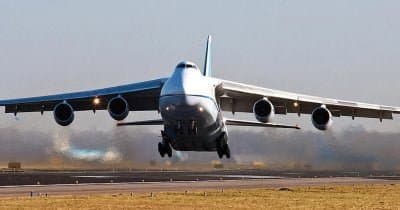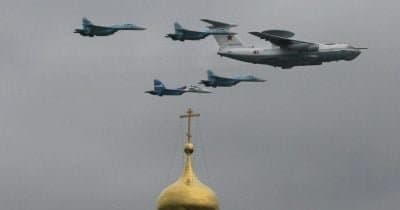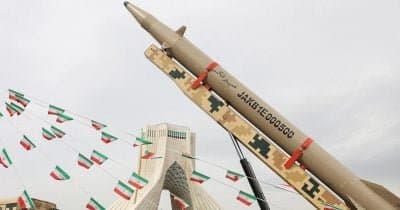
The Iranian military has escalated tensions in the Middle East with significant missile and drone attacks targeting what they label as enemy bases. This aggressive response follows a series of U.S. airstrikes that have intensified the ongoing conflict since the ceasefire collapsed on July 8, 2026. The recent military actions signal a marked shift in Iran's strategy, indicating a willingness to engage directly with U.S. assets and possibly Gulf state locations.
Market reactions suggest that investors are increasingly bracing for further military confrontations. Current estimates indicate an 82% probability of Iranian military action on July 13 and a 69.5% chance of conflict as of July 12. These figures underline the seriousness with which analysts are treating the developments, emphasizing a growing fear of expanded hostilities in the region.
As the geopolitical landscape remains volatile, observers will be closely monitoring communications from both Iranian and U.S. officials. Any further military responses from Gulf states or escalations by the United States could significantly affect market perceptions, particularly in oil prices. The nexus of U.S.-Iranian tensions continues to shape the dynamics of global oil markets, as seen in previous analyses like How US-Iran Tensions are Shaping Global Oil Markets.
While the immediate ramifications of these military actions are unfolding, the potential for long-term conflict remains significant. Investors and analysts alike will be keenly attuned to any developments that could either de-escalate the situation or lead to further military engagements, which could reshape the entire region's stability.
This article is for informational purposes only and does not constitute financial advice.