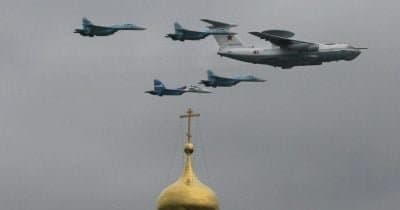
The recent deployment of a Russian airborne command post plane, the Tu-214PU, to Tehran highlights a deepening military alliance between Russia and Iran during a time of escalating tensions. This strategic move, which occurred in February 2026, amidst ongoing hostilities in the 2026 Iran War, suggests that Moscow is taking a more active role in the region, thus reshaping power dynamics.
Context of the Deployment
The Tu-214PU is designed to facilitate command and control in crisis situations, serving as a critical node for military coordination. Its presence in Tehran is particularly notable given the backdrop of U.S. and Israeli military actions against Iran, which have led to Iranian retaliations. Although a ceasefire was announced by President Trump in May 2026, the underlying tensions persist, indicating that the geopolitical landscape remains volatile.
Market Reactions and Implications
Market participants are interpreting this military cooperation as a precursor to potential escalations, particularly regarding Iran’s airspace. The probability of a full airspace closure in Iran has reportedly risen to 24%, up from 20% just a day earlier. Such fluctuations in market sentiment underscore the precarious nature of stability in the region, and investors are likely to be on high alert as they assess the implications of these developments.
Furthermore, this scenario is reflective of broader geopolitical trends where military alliances are becoming increasingly significant. As nations like Russia extend their influence in conflict zones, the ramifications could lead to deeper economic sanctions or military responses from the West. Investors should therefore consider how shifting alliances may impact market conditions and stability in the region.
What to Monitor Moving Forward
As the situation progresses, key points to observe include any official communications from the Civil Aviation Organization of Iran regarding airspace status. Additionally, developments in U.S. and Israeli military strategies, along with any statements from Iranian and Russian officials, will be crucial in shaping market perceptions. The possibility of renewed hostilities or unexpected diplomatic breakthroughs could drastically alter the current trajectory of regional tensions.
This material is informational and should not be considered financial advice.