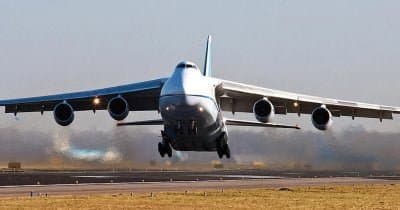
Recent reports on social media suggest that a NATO-operated Antonov An-124 cargo plane has landed at the Muwaffaq Salti Air Base in Jordan. This aircraft, known for its substantial cargo capacity, reportedly arrived empty from Germany. Speculation arises that its presence is linked to the withdrawal of military equipment from the region, reflecting the shifting dynamics amid escalating tensions.
The base itself serves as a crucial operational hub for U.S. and coalition forces in the Middle East and has recently faced threats, such as an Iranian missile attack, which highlighted the area’s volatility. Though the reports surrounding the Antonov’s landing remain unverified, they signal possible changes in NATO's military engagement strategy, particularly following earlier personnel relocations from Iraq to Europe.
These developments bear significant implications for regional stability and NATO's military posture. Market reactions suggest that investors perceive a diminishing likelihood of conflict between NATO and Russia. This is evidenced by a slight decrease in the assessment of the risk of military clashes, indicating that strategic shifts might be steering both parties towards de-escalation.
Potential Consequences and Considerations
As analysts monitor the situation, official communications from NATO or the U.S. Department of Defense regarding activities at Muwaffaq Salti Air Base will be crucial. Any clarifications about military movements or new incidents involving NATO and Russian forces could sway market sentiment dramatically.
Investors should remain alert for any emerging developments that could further indicate the trajectory of NATO's presence in the region. Historical context shows that shifts in military strategy often correlate with broader geopolitical trends, which could influence not just the nations directly involved, but also international markets reliant on the stability of the Middle East.
This article is for informational purposes only and should not be considered financial advice.