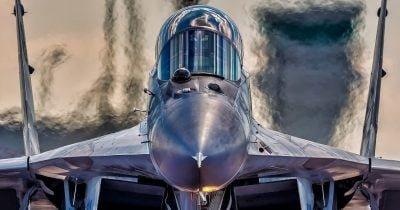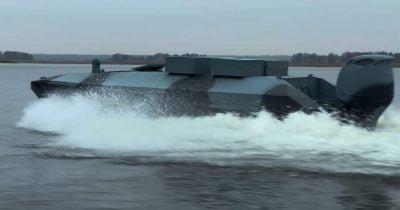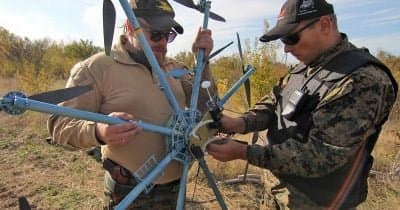
Ukraine has escalated its military operations by launching as many as 450 drones into Crimea and western Russia. This significant drone offensive represents a shift in Ukraine's long-range warfare tactics, aiming to penetrate Russian air defenses while targeting critical military and energy infrastructure. The operation employs a dual strategy: deploying slower, low-flying strike UAVs alongside faster, jet-powered UAVs, thereby enhancing the chances of bypassing sophisticated air defense systems.
This maneuver signals a potential turning point in the ongoing conflict, particularly given the protracted stalemate that has characterized the military engagement between Ukraine and Russia. By intensifying its asymmetric air campaigns, Ukraine seeks to exert pressure on Russian forces, potentially shifting the balance of power in the region.
Furthermore, market reactions indicate a growing confidence in Ukraine's ability to reclaim control over Crimea, reflecting broader implications for regional security and military logistics. The use of advanced drone tactics suggests a strategic objective to undermine Russian military capabilities, which may lead to a reconfiguration of territorial control in the area.
Observers are keen to monitor the responses of Russian defense systems to this unprecedented scale of drone operations. Key indicators of the operation's effectiveness will include any changes in territorial control as reported by the Institute for the Study of War. Additionally, successful ground incursions by Ukrainian forces could further reinforce the narrative of Ukraine gaining momentum.
As the situation develops, the implications for Russian military advances, especially in contested areas such as Sloviansk, warrant close attention. The outcomes of these drone strikes may not only influence immediate military dynamics but also have longer-term consequences for the strategic landscape in Eastern Europe.
This material is informational and should not be considered financial advice.